Visit to Framestore – 05 nov 2025
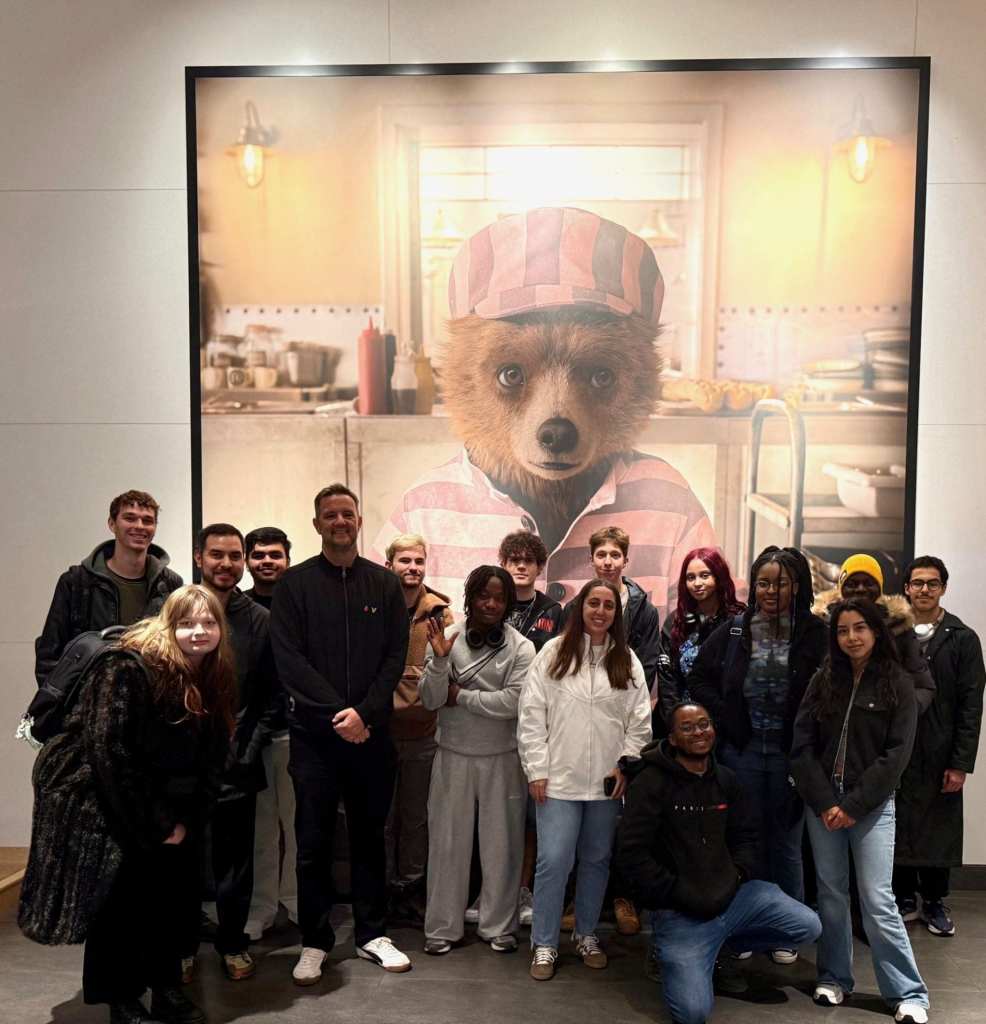
I ask what common mistake they find in someone’s showreel?
Week 1
Film Quiz!
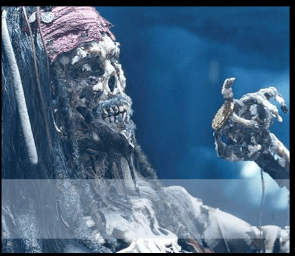
Directed by Gore Verbinski
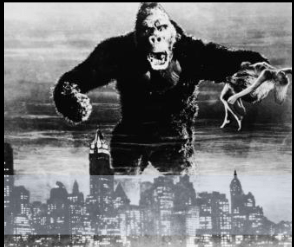
Directed by Merian C. Cooper & Ernest B. Schoedsack

Directed by – Peter Jackson
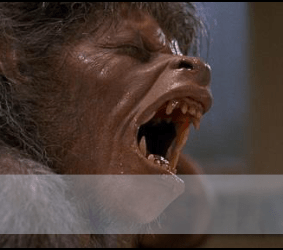
Directed by – John Landis
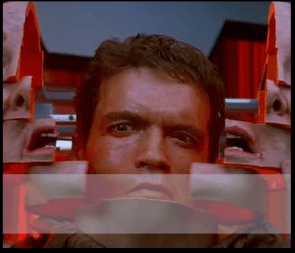
Directed by -Paul Verhoeven
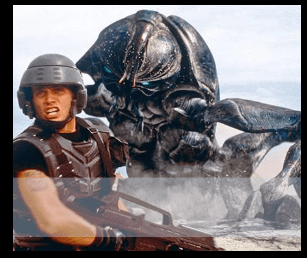
Directed by -Paul Verhoven
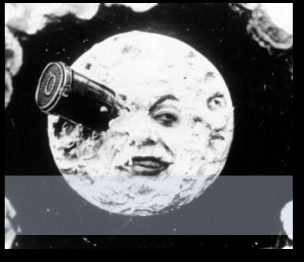
Directed by – Georges Melies
What are digital Visual Effects, what
do you understand them to be?
Visual Effects is something with which we can create impossible realistic scenes in movie/series/games etc.
examples; movies(2012, avengers, godzilla, more)
Favourite Shot
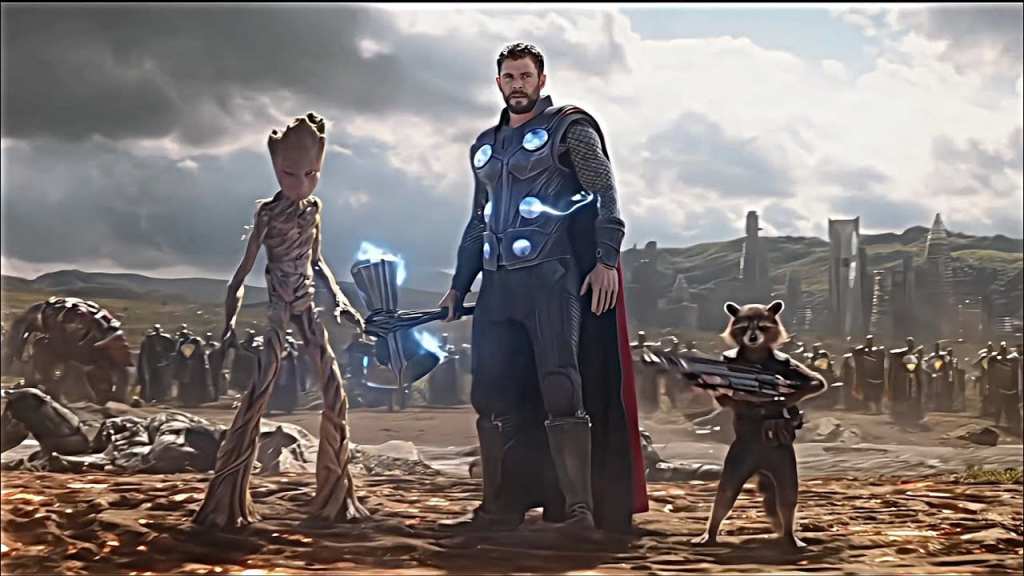 Movie name: Avengers: Infinty War
What are Special Effects, and how
are they used in film or
television?
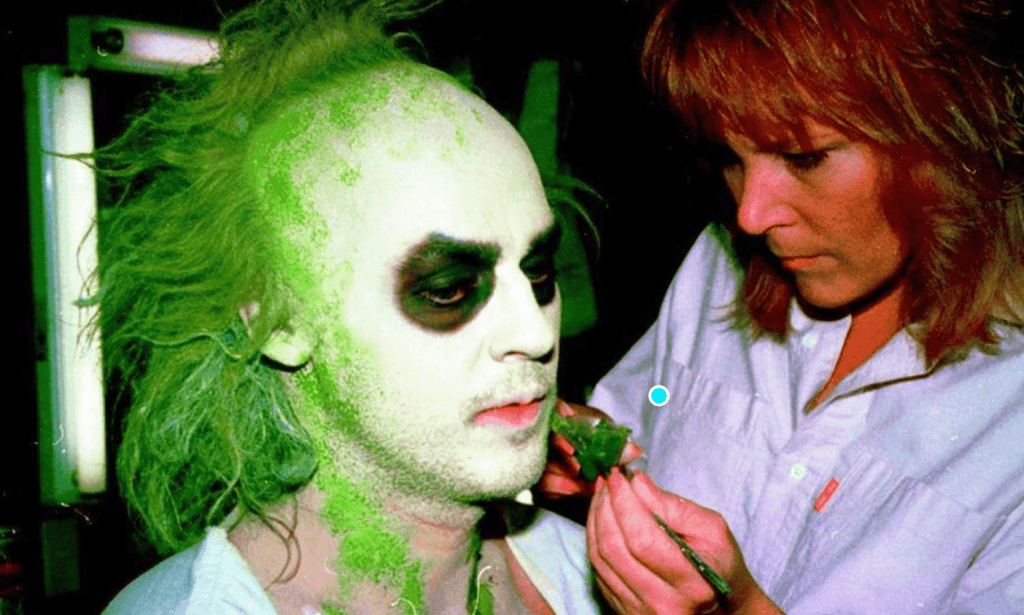
Special effects is something that practically/physically happen on set while shooting a movie, by Make-up,
miniature models etc.
Below image is an example of movie artist, applying Make-Up for shoot.
1 Assignment : VFX vs SFX vs CGI
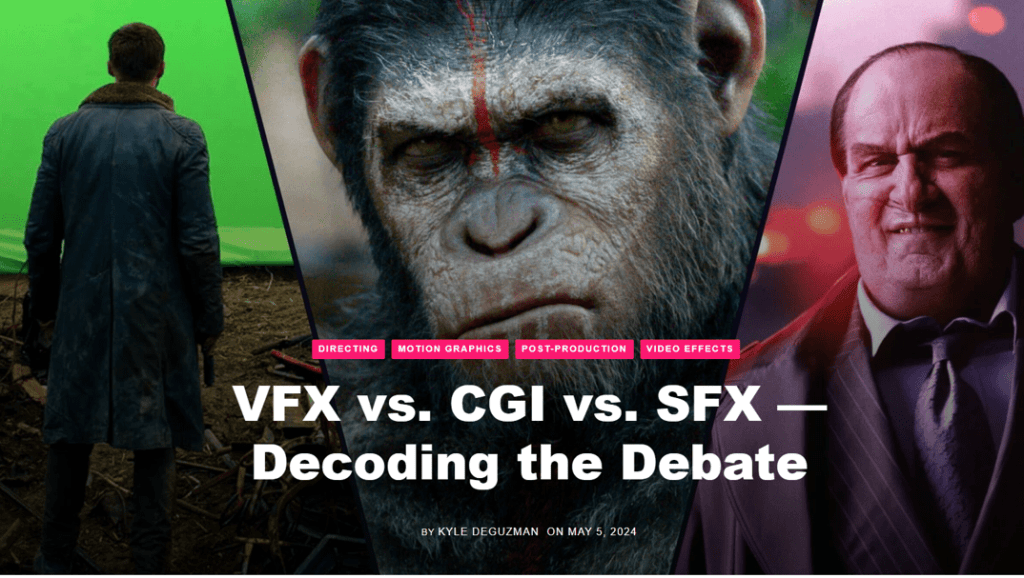
Summary : Its a debate by “Kyle De Guzman” from “Studio Binder”
The article talk about the difference between VFX, SFX, CGI; how they used SFX (Make-up, Explosive action, In-Camera) in “Max: Fury Road” and how CGI help moviemakers to create fictional character in movie to give a good story and plot; VFX plays a vital role to make that character/elements to exist in reality. I understand VFX is digital effects that we use to mix all manipulated imagery to create realistic scene, which are expensive, impossible to shoot in live. In CGI we style image, create characters, even we can “age back” actors using computer software, which do not exist or impossible to shoot. SFX are practical effects or physical effects that are used during the shoot; like Make-up, controlled explosions. There were three case studies he listed Star Wars: A New Hope – It was directed by George Lucas in 1977. He use practical effects(miniatures)and Visual effects(motion control) and gives the best cinematic experience. Avatar & Avatar2 – the highest-grossing film of all time by James Cameron. he uses VFX and Co-Map technology together to make an unimaginable movie. Oppenheimer – Its a biographical drama by Christopher Nolan. Where Nolan use visual effects that blends with practical effects that gives a new way to make scenes more impressive. It also tell us that, the flimmakers understand that the future Visual effects in cinema could not work with relying on just one method but to learn how we can blend different techniques. After reading this article I fully understand the role of “CGI, VFX, SFX” in movies and this help me understand how different types of effects are essential to make a good movie. In general every beginner should read this article to understand the basic difference in “CGI, VFX, SFX” and I really like that it have put case studies from latest web series.
Reference : Guzman, Kyle De. 2024, VFX vs CGI vs SFX — Decoding the Debate, Studio Binder, VFX vs. CGI vs. SFX — Decoding the Debate (Accessed: 03 October 2025)
Week 3
Difference between INVISIBLE and SPECTACULAR VISUAL EFFECTS
This week, I learn why the audience loves a Spectacle and how and where Spectacle as a VFX trope originated. We took time to compared this to the invisible effect. Through the analysis of film clips, I understand about spectacular side of visual effects and where the impact is unnoticeable and hidden away in the cinema.

TASK : Define Invisible and Spectacular visual effects
Invisible visual effects are also known as seamless VFX. These effects are not meant to notice by audience in movie. Scenes could be naturalistic, not too risky to shoot and more, So spectator don’t think about the scene much.
Terminology describing Invisible Visual Effects:
- Seamless
- Subtle
- Background Enhancement
- Hidden
- Continuity
examples:
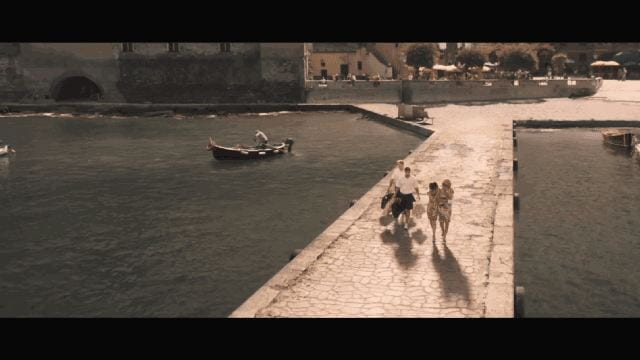
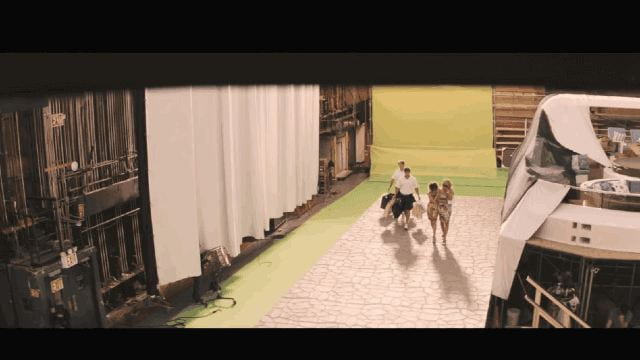

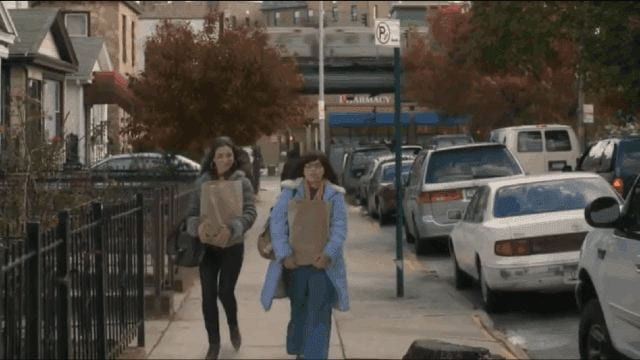
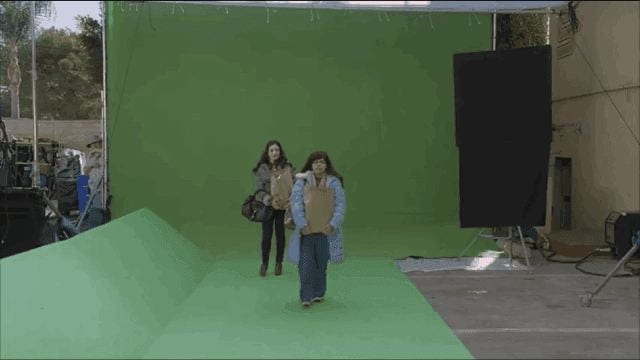
These scenes are easy to shoot with a camera.
Spectacular Visual Effects are special effects that add great enhancement to the scene. spectators are well aware that these scene is not possible to shoot in real but these scenes are too pleasant and fascinating to watch audience don’t mind.
Terminology describing Spectacular Visual Effects:
- Overt
- Action
- Dramatic
- Cinematic
- Explosive
- Dynamic
- Expressive
examples:
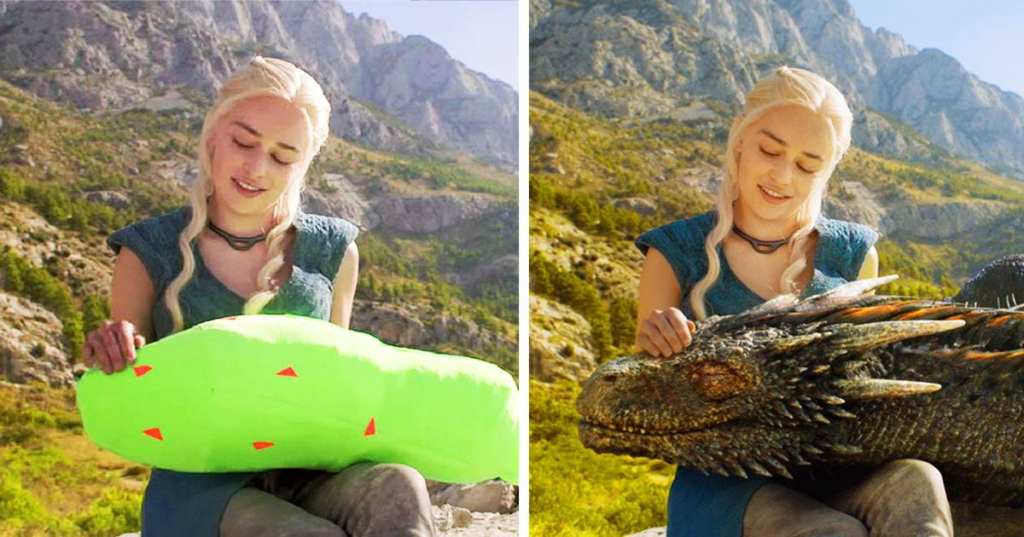
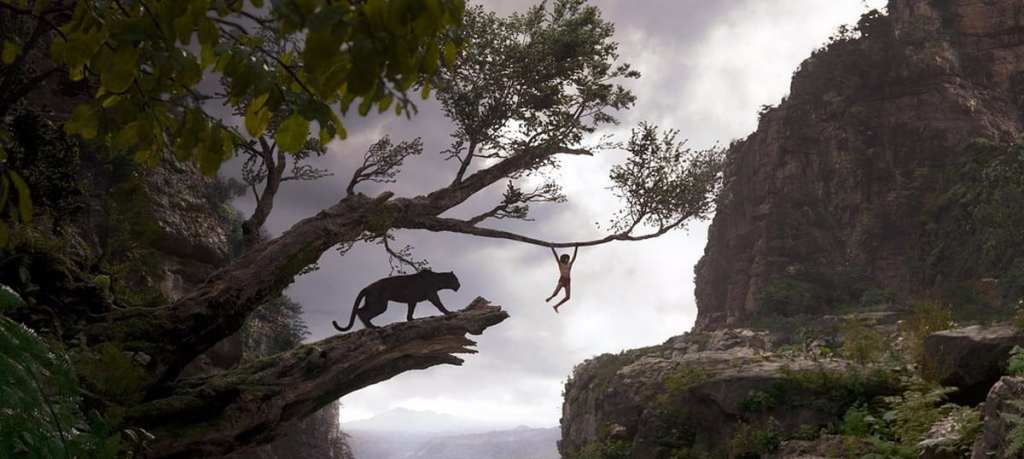
Magical effects also Known as Magical Realism, these are used in movies to stimulate imaginary events in Movies and Games.
Examples:


2 Assignment
Hidden in plain sight : the Art of Invisible VFX
The article talk about how Invisible VFX is used in film industry. It starts with how spectacular VFX is used in movies for explosions, gunfights, creation of whole new environments, creatures and characters. Then it talk about Invisible VFX (also know as seamless VFX), by giving example of “THE CROWN” movie has use of invisible VFX. there VFX supervisor Ben Turner comments: “It’s the sort of work that I love. It’s invisible VFX work and I just love it when people say, I didn’t know there was any CGI in The Crown. And that just makes my day.”
Then I read about most recent and interesting uses of invisible VFX to appear on our screen and streams that work to create truly compelling stories, convincing worlds, and believable characters. Ford vs Ferrari uses invisible VFX fuels a fast-paced, high-octane narrative that takes audiences back to the 1960s hallowed race venues — which are very few to exist today. They immerse audiences through digital cheering crowds, CG cars and augmented crashes, in an effort to convince the same audience that what they’re seeing is 100% real. Another film is, Japanese suspense-thriller Alice in Borderland it includes wide-angle, expansive shots of a completely desolate, dystopian Tokyo. Viewers were wondering if the production crew really did in busy areas in Tokyo for filming, such as Shibuya Station but, of course, it was all down to use of VFX. CGI was used on the show to create rustling leaves, flapping flags, and moving birds and animals to offset any danger. For familiar locations, images of Tokyo were digitally placed into the backgrounds of shots filmed outside of the city.
In conclusion, Invisible VFX are an important part of filmmaking. Yet, they may not be flashy, but they make stories believable and enhance the audience’s experience by giving a perfect shot.
Reference : Foundry. 2021, Hidden in plain sight: the art of invisible VFX, 2021, https://www.foundry.com/insights/film-tv/art-of-invisible-vfx (Accessed: 17 October 2025)
Week 4
History of Special Effects
This week I learn about the origins of photography and moving image, before moving on to explore the relationship between very early special effects, animation and cinema. This critical period at the end of the nineteenth and beginning of the twentieth centuries saw rapid technological developments in photography and filmmaking, leading to a fundamental shift in how humanity viewed the world. The first films by the Lumière brothers, and how Georges Méliès become the first Special Effects artist.
Task 1 : Discovering about the Lumiere Brothers
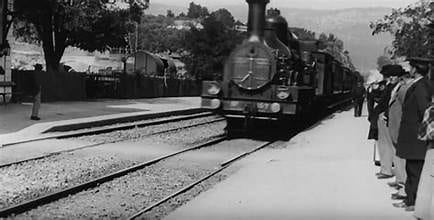
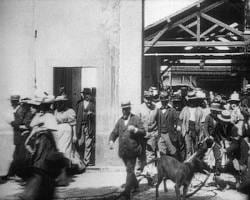
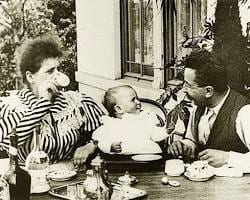
Auguste And Louis Lumiere were French Inventors and Pioneer Filmmakers. They created Cinematographe, the first Successful Motion Picture Camera and Projector. They Created a revolutionary device that advance early Filmmaking. Workers Leaving the Lumiere Factory was First true motion picture made, shown publicly in March 1895. The Arrival of a Train at La Ciotat Station is famous for terrifying audiences who feared because the train appeared to rush towards them on the screen. The Sprinkler Sprinkled it is known for first comedy film, featuring a mischievous boy stepping on a gardener’s hose. Baby’s Breakfast this scene was featuring Auguste and his wife feeding their baby.

Task 2 : Who was George Melies?
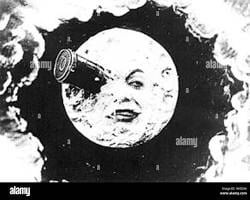
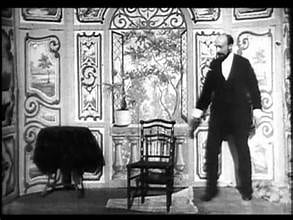
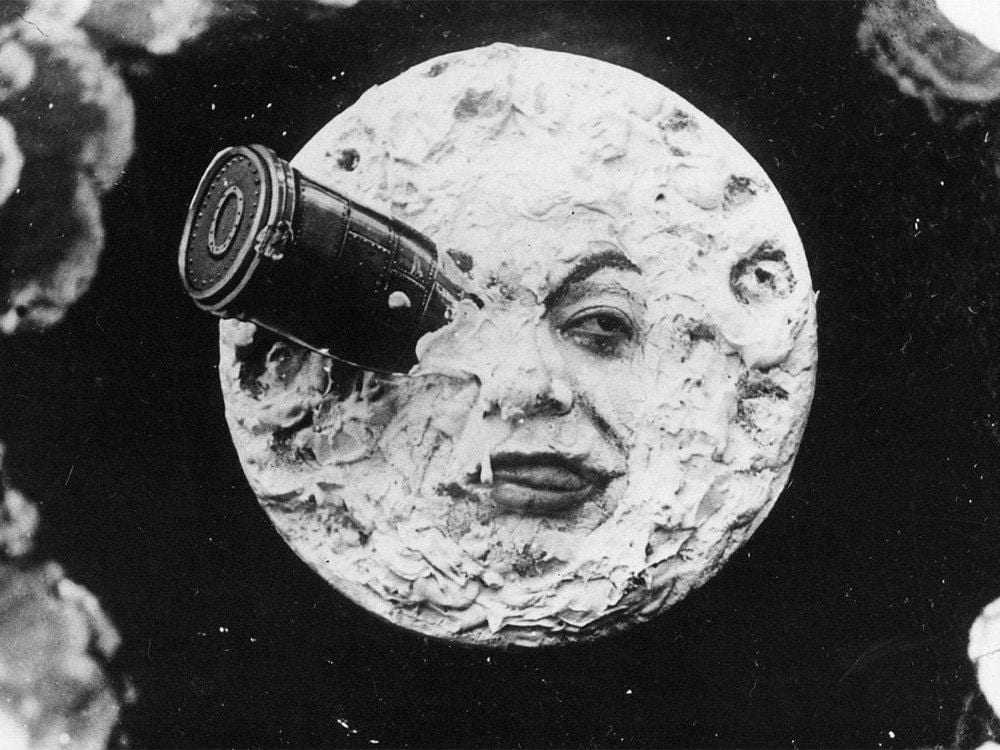
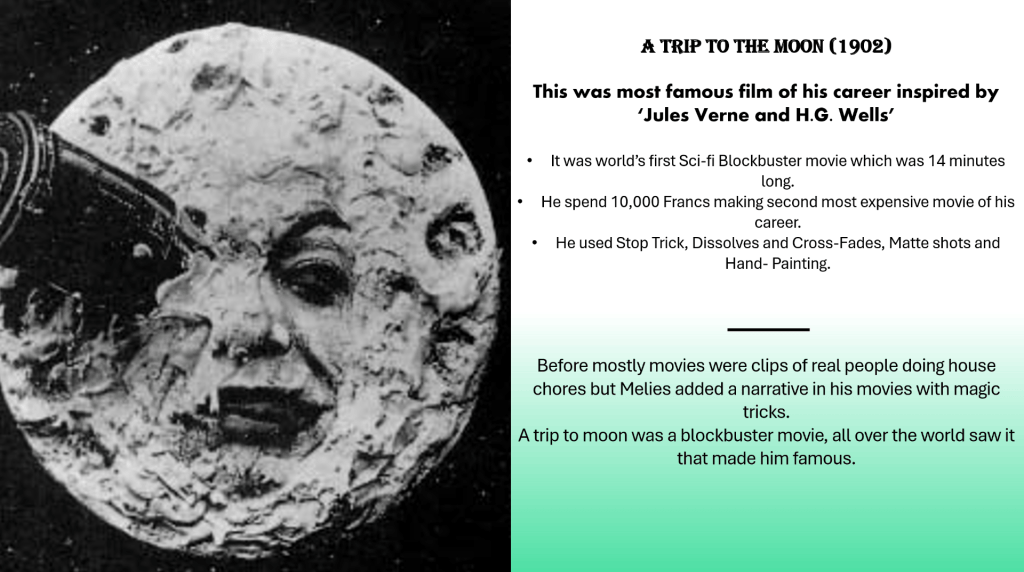
Georges Melies was a French illusionist and filmmaker who is considered as the “Father of Visual Effects” and a pioneer of narrative cinema. He was a Professional stage magician and owner of the Theatre Robert Houdin in Paris before coming in film industry. He focused on “fantasy and spectacle” Story and use camera to create illusions and magical transformation with help of his experience as a magician. His techniques like Stop Motion he used to stop the camera, change the scene replace the actor or objects and restart the camera for instant transformation. Furthermore, Multiple exposures for this Melies film a scene, then rewind the film without developing it and film a second scene on top of the first. This help him t create ghosts, showing actor interacting with multiple versions of themselves. His key films that depicts his innovation are A Trip to the Moon his most famous work, it features iconic sets, elaborate costumes, and the famous image of the rocket landing in the Moon’s eye. It was released in 1902. The Vanishing Lady his earliest and most famous “trick films,” which relies entirely on the stop-motion technique to make a woman instantly vanish. It was released in 1896.
3 Assignment
Georges Méliès on his early struggles in cinema: “The inventor’s life is not all sweetness and light!”
By reading this article, I get to know about who was Georges Melies and his achievements & struggles. He invented almost every special effect we’d care to name like split screen to jump-cuts. He brought fantasy and storytelling to the screen. His films were filled with angels, demons, aliens, monsters, shooting stars and wondrous machines. Author finds out Georges melies Autobiography was not a autobiography it was written by Maurice Bessy – a prominent French film historian – and Joseph Lo Duca, one of the co-founders of Cahiers du Cinema. It was a straightforward biography, but, at the back of the book, there was a section which appeared to be an actual autobiography written by Méliès himself. He also found only 3000 books were published and all were in French language edition and his great-granddaugther confirmed that, originally it was written by a third person but it was never published. It was then sent to Italy for a dictionary that was never materialized, Then the manuscript ended up in the hands of an Italian magazine called Cinema and was then sold on to Mr Lo Duca. Melies spent a lot time in focusing on creating and perfecting their own equipment for every step of flimmaking. He studied mechanical operation of the machine and realize that shooting could only be achieved through the use of a similar device enclosed in a lightproof box, equipped with a special lens for photography and different projection lenses. Since, there was no parts in stores, a Skilled engineer had to construct the entire camera from scratch in his theatre. Next major problem was finding film. Learning that W. Paul had some in London, Méliès wasted no time in leaving for England, but faced with the optician’s refusal to give him some 20 trial reels, So he buy whole box of virgin film 45,000 francs .When he return to Paris he found all the films brought was unperforated & only Edison had perforator. Later, he faced another problem of develop these long reels. Initially, he had to cut the film into section in a bucketful of developer; then, still in the developer, joining them together; then joining together the longer sections after drying. Later he becomes a loyal customer of expert artisan Joseph Debrie and his son, who supplied him with whole series of perforating machines.
Reference : Spira, Jon. 2020, Georges Méliès: on his early struggles in cinema: “The inventor’s life is not all sweetness and light!”, BFI, https://www.bfi.org.uk/features/georges-melies-autobiography (Accessed: 24 October 2025)
Week 5
Ray Harryhausen the Special Effects Titan
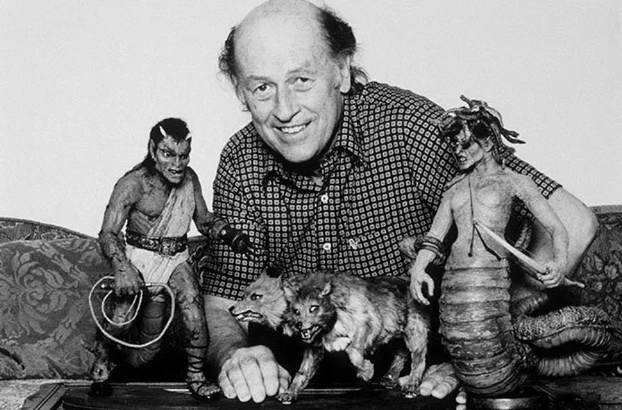
This week I learn about one of the most influential Special Effects artists of the twentieth century Ray Harryhausen via his story through the films.
In lecture we watch a Documentary featuring the work of stop-motion camera and special effects guru Ray Harryhausen. Including clips from Jason and the Argonauts and contributions from Peter Jackson, Nick Park, Phil Tippet, Peter Lord, Terry Gilliam, Dennis Muren, Rick Baker, John Landis, Ken Ralston, Guillermo Del Toro, Jean-Pierre Jeunet, Robert Zemeckis, James Cameron and Steven Spielberg.
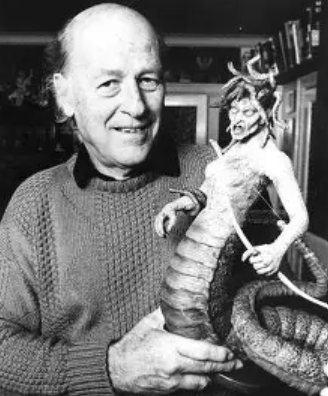
Task 1 – A short paragraph on who was Harryhausen and why his work was essential to the history of visual effects.
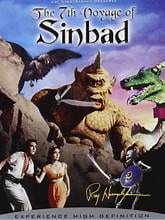
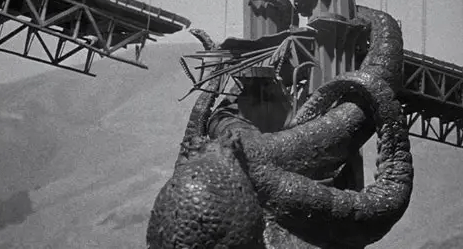
Ray Harryhausen was a American – British filmmaker and master of slow-motion animation. He was inspired by King Kong(1933) to dedicate his entire career to bring creature, aliens, dinosaurs in life in form of films. His famous movies are The 7th Voyage of Sinbad, Jason and the Argonauts and more. His work was essential in visual effects history because of his perfected techniques for stop-motion animation models. He named this “dynamation”.
Task 2 – a short paragraph on a special effects technique that Harryhausen used, any method from his films.
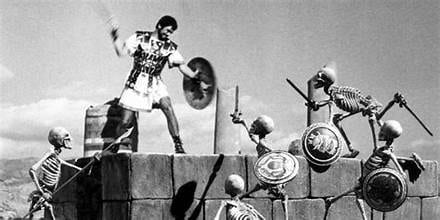
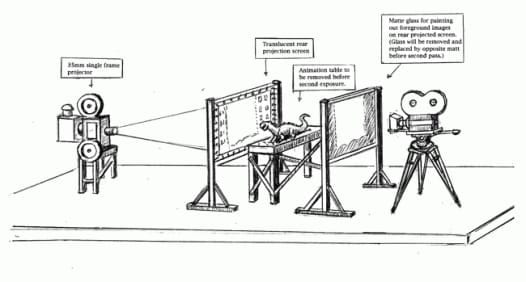
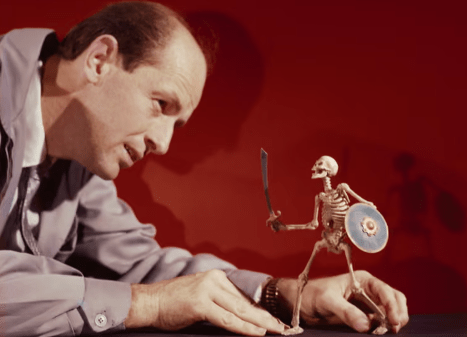
Signature Special Effects Technique of Ray Harryhausen was Stop-motion animation combine with rear-projection to blend his creatures into live-action movie. He would place his model in front of the projected image and then use a glass sheet with painted mattes then he would animate the model frame-by-frame. This “sandwiching” technique allowed the animated creature to appear correctly scaled and positioned between the live-action background and foreground elements, creating the illusion that the creature and the actors were in the same realistic space, as famously seen in the sword fight with the skeletons in Jason and the Argonauts (1963).

4 Assignment
Ray Harryhausen’s art raid: where the effects genius found his terrifying monsters
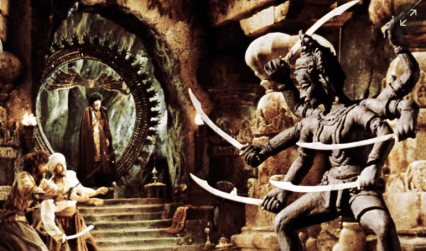
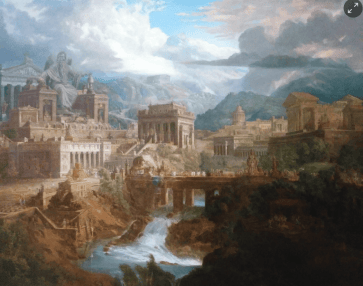
The article tell about Ray Harryhausen’s(godfather of special effects) monsters/Creatures like sword-fighting skeletons, multi-handed goddess kali to life in movies using stop-motion animation combine with rear-projection to blend his creatures into live-action movie. He make scene using flexible rubber models and moved them and capture frame by frame to create a movie scene without someone’s help. He learned this techniques from his mentor Willis O’Brien, creator of King Kong. His influence is acknowledged by today’s epic action masters, from Peter Jackson to James Cameron and many others. He has a deep love for ancient Greek mythology. He animated almost every classical monster from medusa to octopus to the cyclops. His masterpiece Jason and the Argonauts, a detailed and hyperreal journey based on the epic poem by Apollonius of Rhodes in the third century BC. His daughter, Vanessa Harryhausen, confirms he was inspired by artists of the fantastic like Gustave Doré and John Martin, and also owned a surreal 1819 painting called Jupiter Pluvius by Joseph Gandy. This painting, with its giant statue looming over a city, is thought to have inspired the colossal bronze monster Talos in Jason and the Argonauts. Harryhausen’s films were like the old Greek artwork: both loved showing monsters and heroes fighting. His famous movies are The 7th Voyage of Sinbad, Jason and the Argonauts and more. His work was essential in visual effects history because of his perfected techniques for stop-motion animation models. He named this “dynamation” as he thought his work is different from animation.
The ancient Greek sculptors made their marble look so real it seemed to move. Harryhausen did the same with his special effects. When he moved to London in 1960, it brought his monster maestro which he loved to feature in his films. Where he died in 2013 at the age of 92.
Reference : Jones, Jonathan. (2020) Ray Harryhausen’s art raid: where the effects genius found his terrifying monsters. Available at: https://www.theguardian.com/artanddesign/2020/oct/22/ray-harryhausen-special-effects-titan-of-cinema-monsters-cyclops-skeletons (Accessed: 31 October 2025)
Week 6
The Advent of the Computer Generated Image
This week, I get to know about early computer-generated imagery. We study its origins and how its invention was influenced by earlier modes of moving image making.

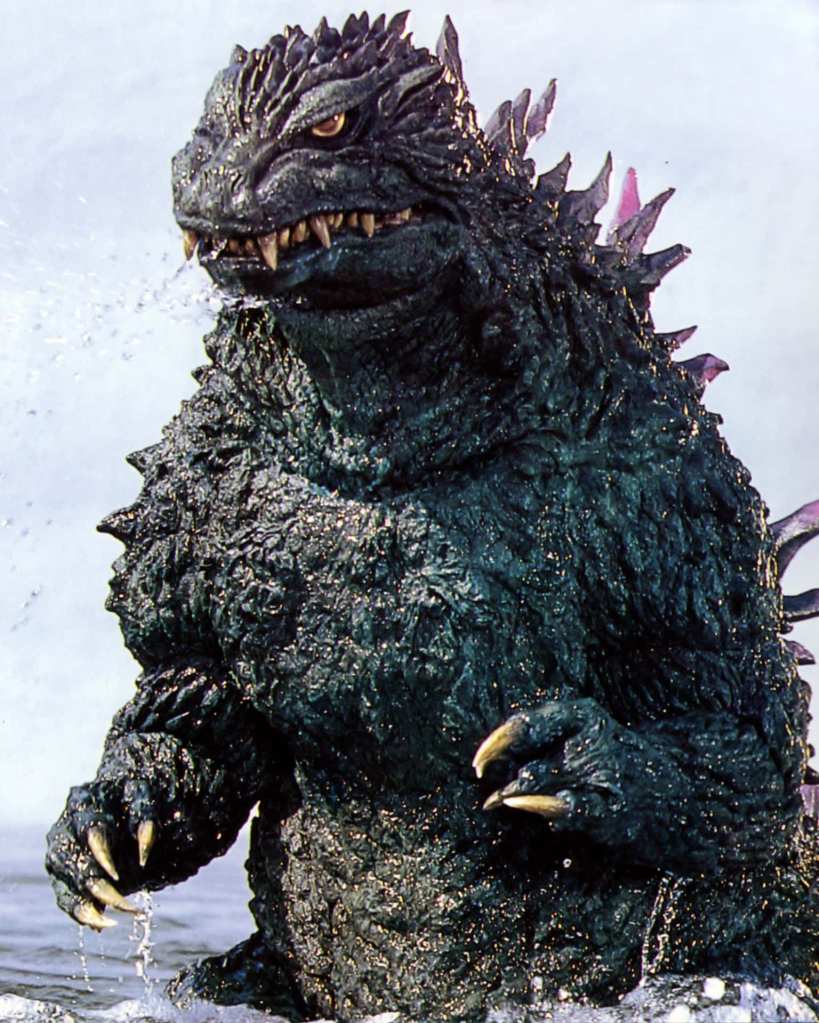
This is godzilla release in 2000 by Takao Okawara.
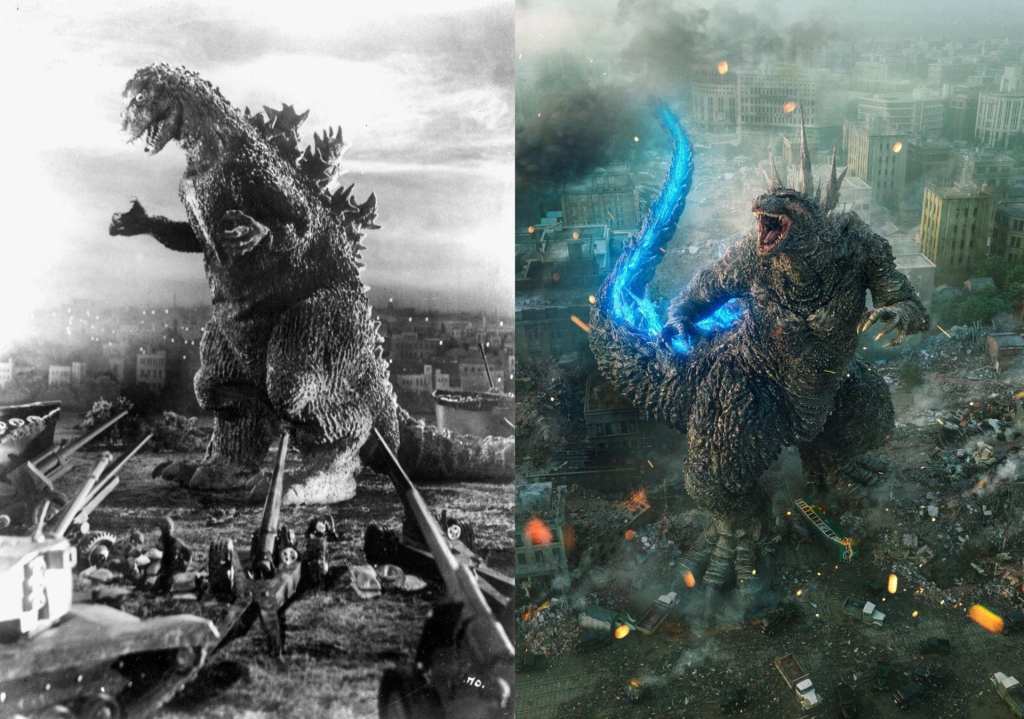

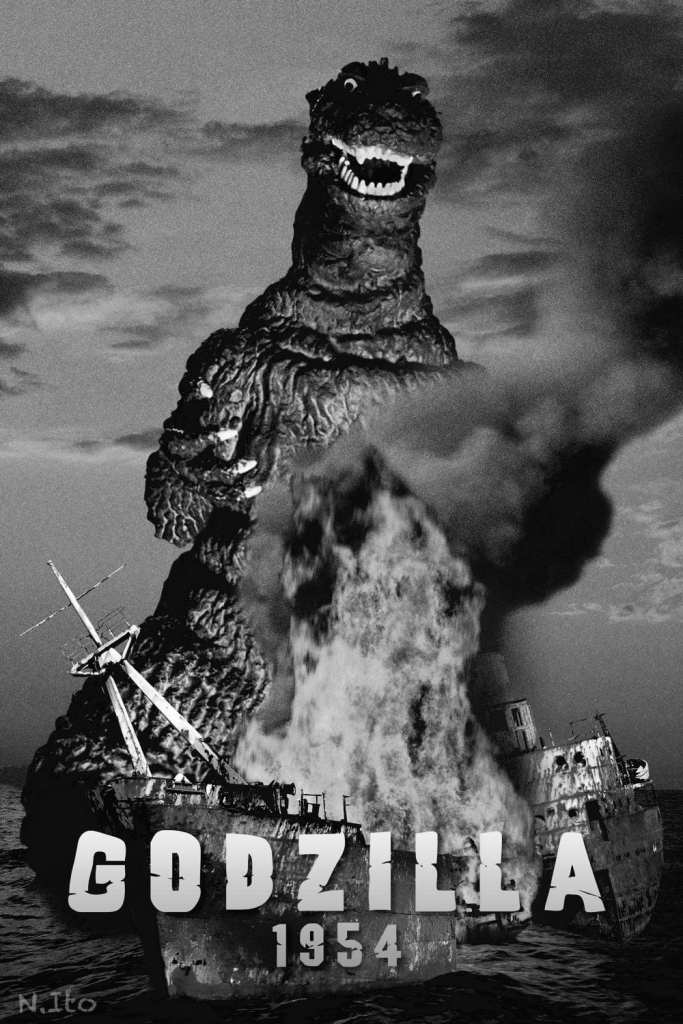
First godzilla movie was released in 1954 by Ishirō Honda. Godzilla minus one (2023) directed by Takashi Yamazaki its the latest release. It clear that the first godzilla movie lacks many thing comparing to latest godzilla movie like smoother movement, sound effects, much details in models, lighting and more. I really prefer to watch latest godzilla movies reason I mention earlier.
These all get inspired by Godzilla(1954)
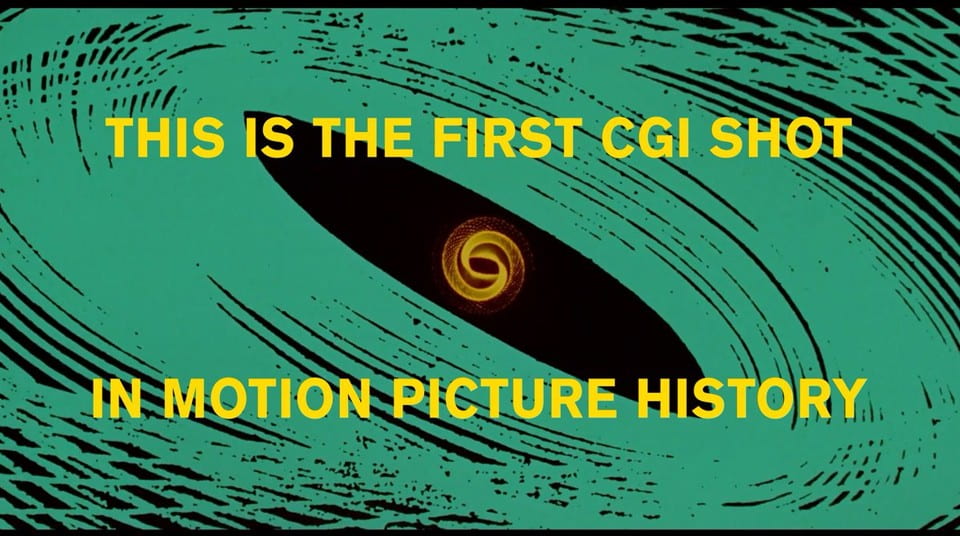
This picture comes from Westworld film produced in 1973. It used computer processing to create the pixelated marking the first time a computer-generated image appeared in cinema.
Task: Key Figures in CGI History
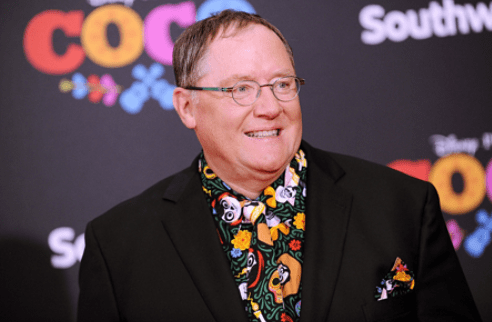
He is an animator and filmmaker who played a crucial role in the rise of computer-generated imagery (CGI) in animated films. He was a founding figure at Pixar Animation Studios and later served as Chief Creative Officer at both Pixar and Walt Disney Animation Studios. He Directed Toy Story (1995), the first feature-length film made entirely with CGI. He helped CGI to become the dominant form of animation in Hollywood. He also inspired countless animators and filmmakers to explore digital flimmaking.

He is one of the most foundational and influential figures in the history of computer graphics and animation. He displayed curved surfaces rather than jagged polygons. His short film, “A Computer Animated Hand” (1972), was a landmark, becoming one of the earliest examples of 3D shaded computer animation and later used in Futureworld (1976). He was co_founder of Pixar Animation Studios And President of Walt Disney Animation studios.
5 Assignment
What is Digital Cinema?
The essay explains how digital technology has changed the way films are made and how this shift has affected the entire filmmaking process. In the past, Hollywood studios were the only ones with enough money and equipment to create impressive special effects. Because special effects became so popular, Hollywood even produced “making of” videos and books to show how these effects were created. But now, as filmmaking turns digital, the changes affect not only Hollywood but all filmmakers, no matter whether they use expensive tools or cheaper. It tells we can use computer animation to make a film which means physical filming is now not the only way to shoot a movie. It lists several principles of digital filmmaking. First, filmmakers no longer have to rely only on filming real-world scenes; they can now create realistic, film-like images entirely inside a computer using 3-D animation. Second, once live-action footage is digitized, the computer treats it the same as any other digital image, whether it was drawn, painted, or generated. Because all images become pixels, they can be changed, mixed, or replaced easily. Third, digital footage is now treated as raw material that can be animated, reshaped, or combined with computer-generated imagery. Fourth, editing and special effects which used to be separate tasks now used together, changing an entire scene or altering a single pixel both rely on the same basic computer actions like “cut and paste.” Fifth, digital film can be understood as a mixture of live footage, painting, image processing, and both 2-D and 3-D animation. Now, we know digital cinema is a particular case of animation which uses live action footage as one of its many elements. Later, it explains that digital cinema brings filmmaking back to its early beginnings, when images were created by hand. With help of digital tools, filmmakers can change or paint every frame, so animation and special effects become a normal part of making movies. Instead of relying mainly on real sets and objects in front of the camera, filmmakers now treat filmed footage as raw material to be altered on computers.
Reference : Manovich, L. (2001 , pp. 4-6) The Language of New Media. Available at: Lev-Manovich-_-Essays-_-What-is-Digital-Cinema_.pdf(Accessed: 07 November 2025)
Week 7
What is “The Uncanny Valley” in computer animation?
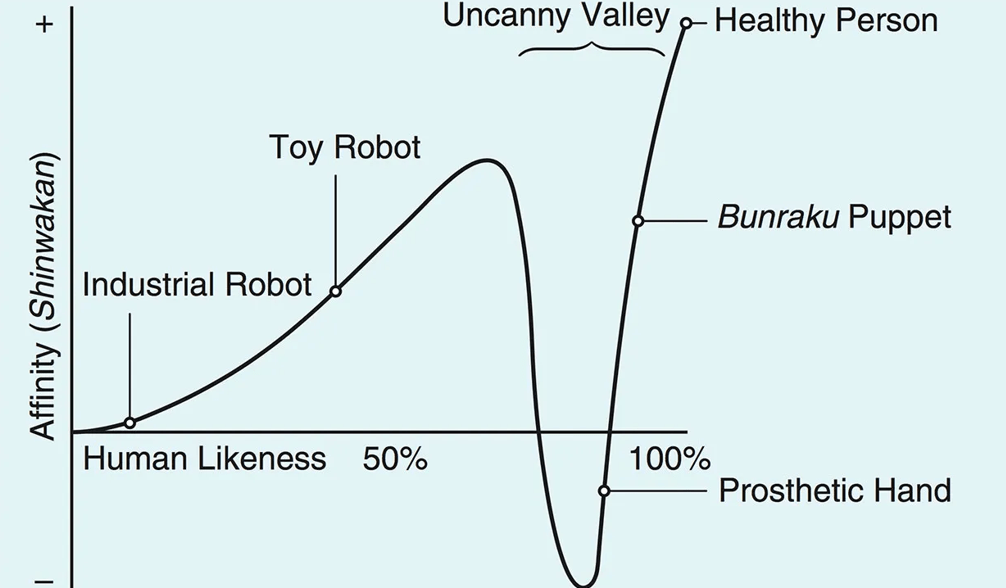
This week, we look at a well-known, but still controversial, topic in games, animation and robotics – The Uncanny Valley. The Uncanny Valley is a theory in aesthetics, especially significant in robotics. However, in recent years, it has become increasingly relevant to animation and animated characters.
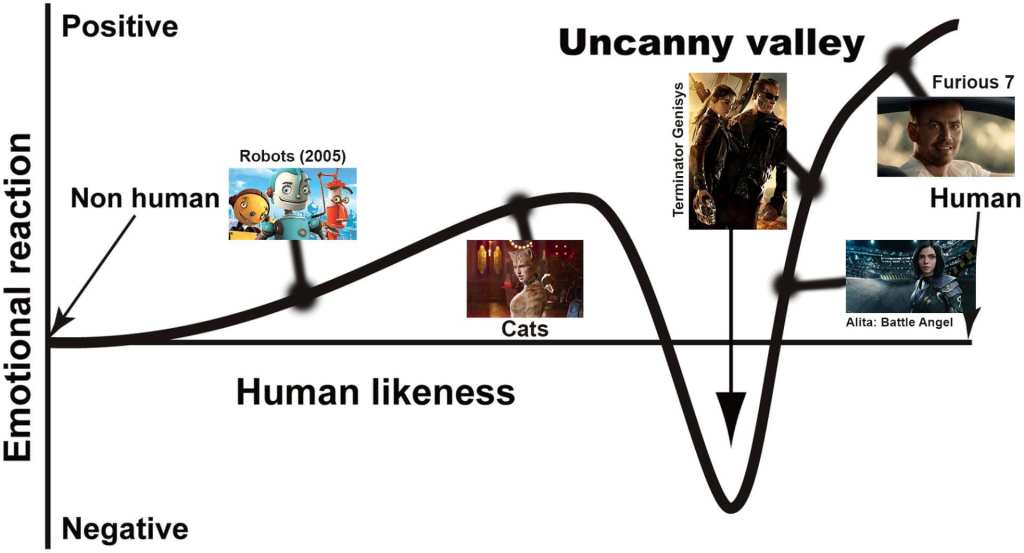
Below is the Uncanny Valley graph as proposed by Masahiro Mori in 1970. Mori was a Professor of robotics at the Tokyo Institute of Technology.
Task 1 : Identifying the Uncanny Valley
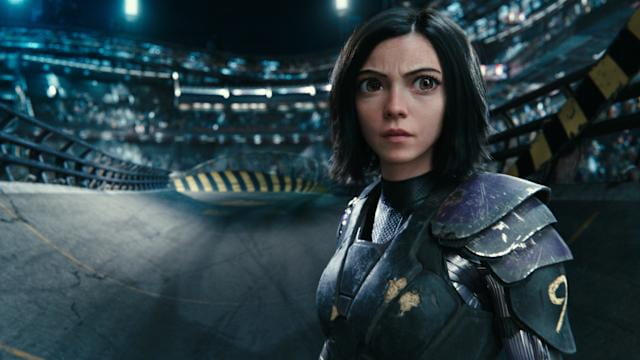
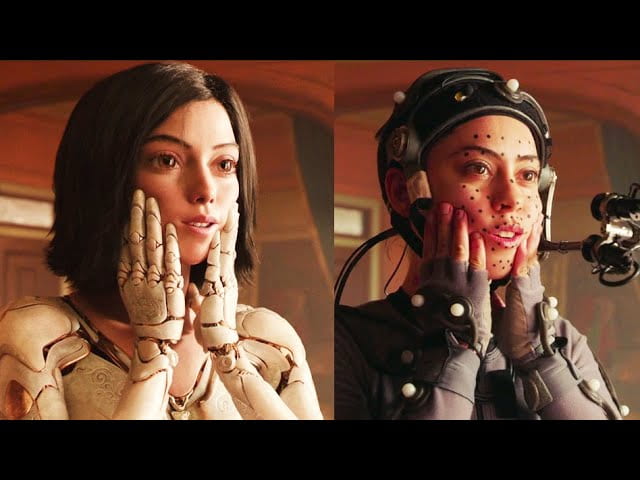
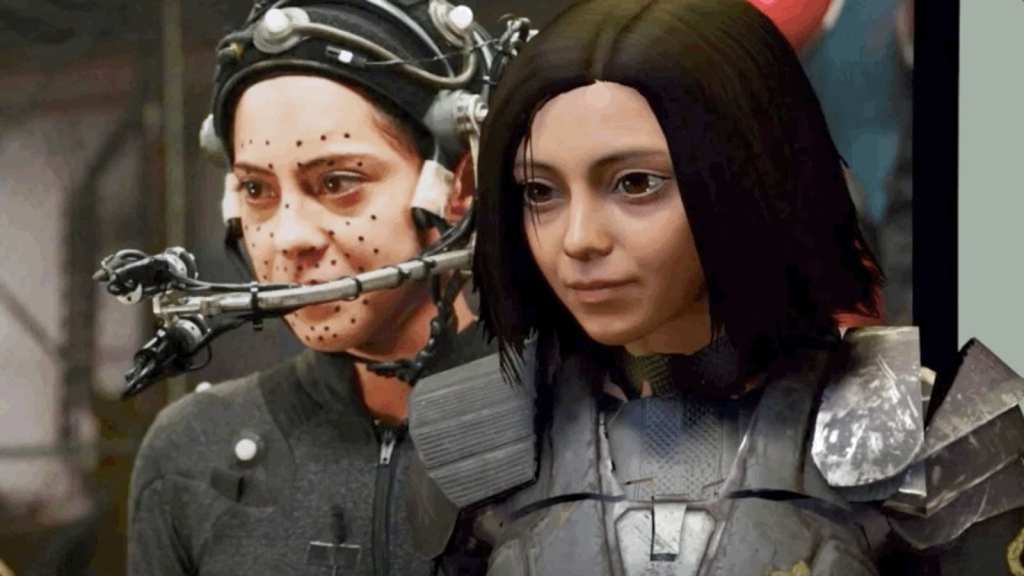
These images are from Alita : Battle Angel, here we can see skin texture, hairs, color of eyes are just like human. Just the size of eye makes it different from human.
Second example
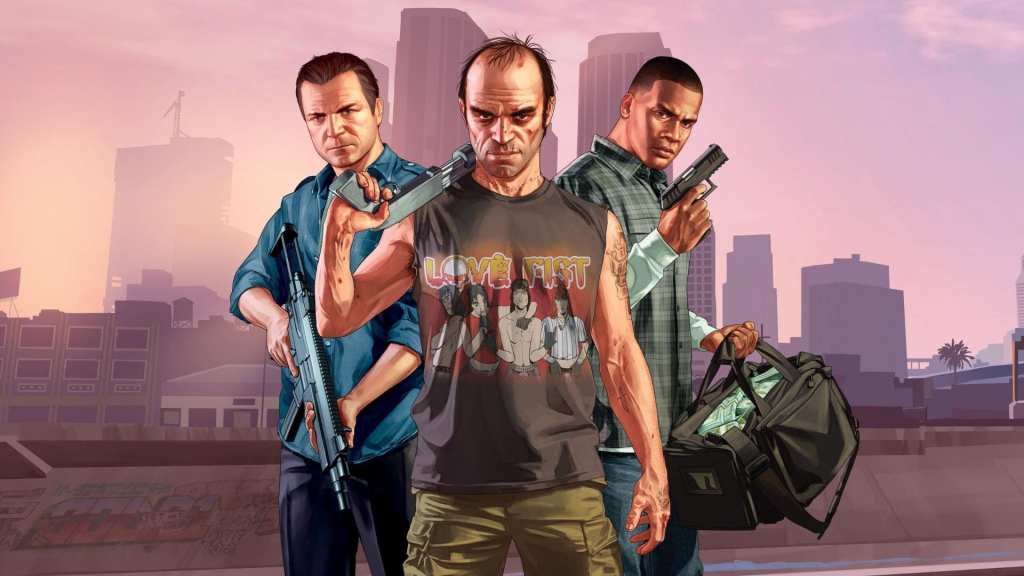

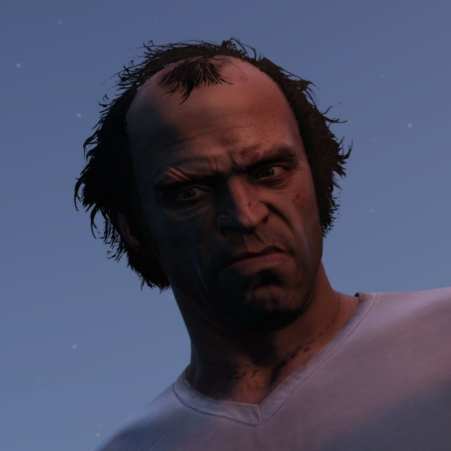
Task: create Uncanny Valley Graph?
6 Assignment
Uncanny valley: why we find human-like robots and dolls so creepy
This article tell about strange feeling we human get when something looks almost like us human but not fully real like human. Masahiro Mori, Japanese roboticist suggested in 1970 that as robots should look more like human, so we like them more but they become too human like but still imperfect, which make people feels creepy and discomfort. If they look fully human again, the discomfort disappears. This distinctive dip in the relationship between human-likeness and emotional response that is called the uncanny valley. Since 1970, researchers, philosophers and others have studied the uncanny valley. There research grew quickly in 2005 after Karl Mac Dorman and Takashi Minato translated Mori’s paper was into English. Even though the idea feels familiar and intuitively right, it’s hard to prove it scientifically a big Debate started whether the uncanny valley exists or not. Maya Mathur and David Reichling studied 80 real-world robots and shows a clear valley pattern in people’s trust and likings. Researchers have a few simple ideas about why the uncanny valley happens. one idea is that it appears when something crosses the line between non-human and human, like a mannequin face that starts to look alive. Second, a A study by Kurt Gray and Daniel Wegner found that robots were creepy when people thought that they had the ability to sense and feelings. A final compelling area for future research states uncanny valley occurs because of mismatches between aspects of the robot’s appearance and behaviour. His eeriest combinations were those where happy faces were paired with fearful or angry eyes. These mixed signals make people uneasy and discomfort. If a robot were indistinguishable from a human, the uncanny valley might disappear or humans may always notice small signs of artificiality and the uncanny valley will never end.
Reference : Lay, Stephanie. (2015) ‘Uncanny valley: why we find human-like robots and dolls so creepy’, The Guardian. Available at: https://www.theguardian.com/commentisfree/2015/nov/13/robots-human-uncanny-valley (Accessed: 14 November 2025).

Week 9
The (Disney) Principles of Animation
12 Principles of Animation
- Squash and Stretch
- Anticipation
- Staging
- Straight Ahead & Pose to Pose
- Follow Through & Overlapping Action
- Slow In & Slow Out
- Arcs
- Secondary Action
- Timing
- Exaggeration
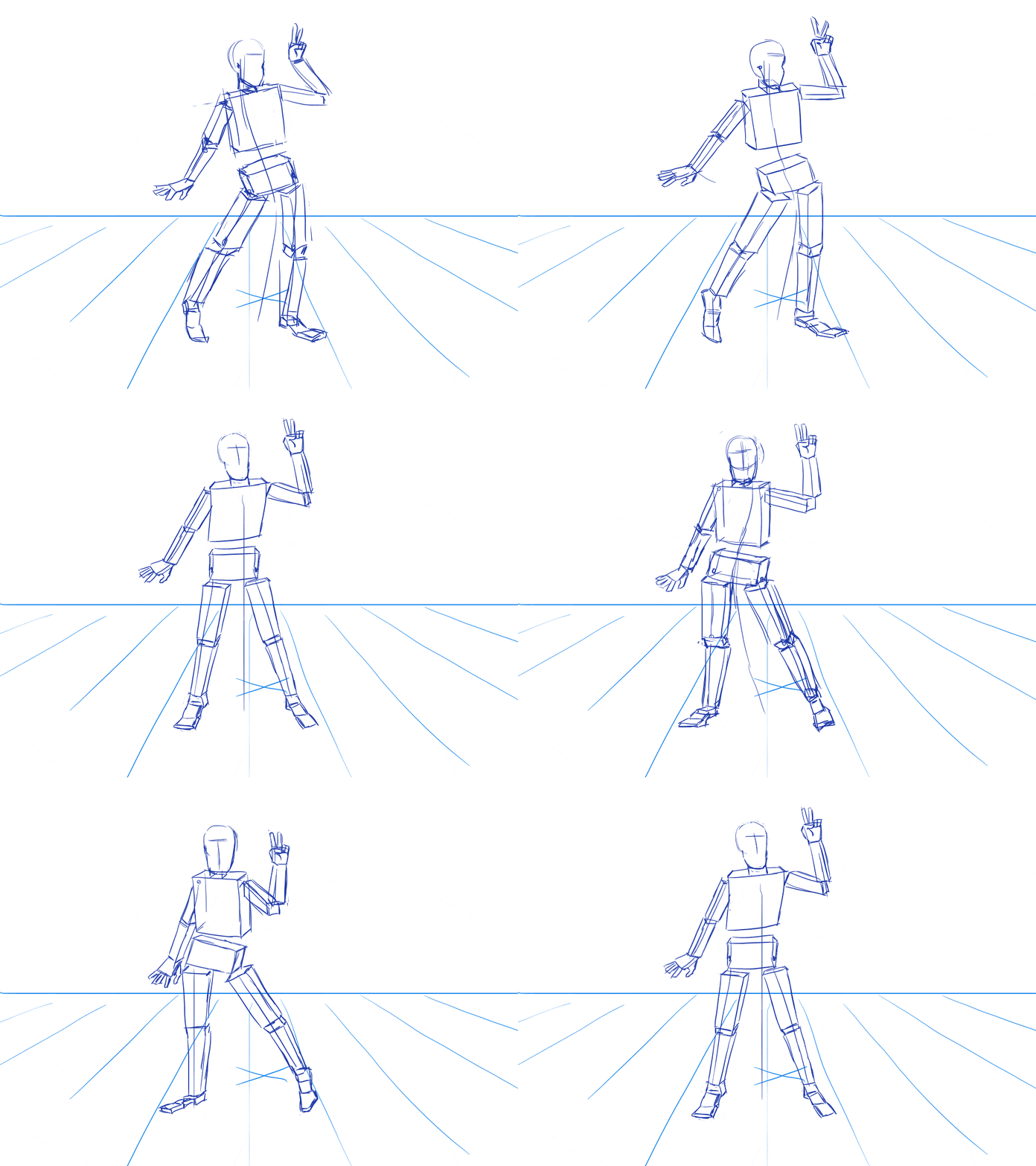
- Solid Drawing
- Appeal
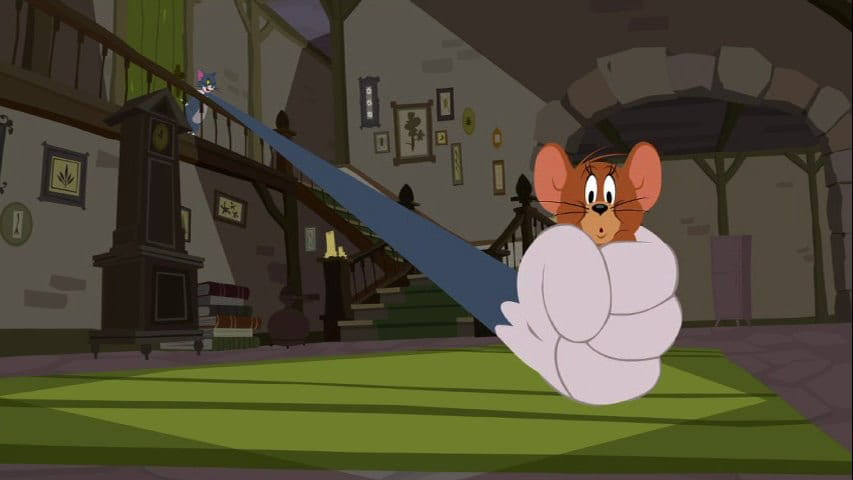
Task – What are the Twelve Principles of Animation?
- Squash and Stretch – It involves deforming of an object or character to make illusion of weight, add Flexibility.
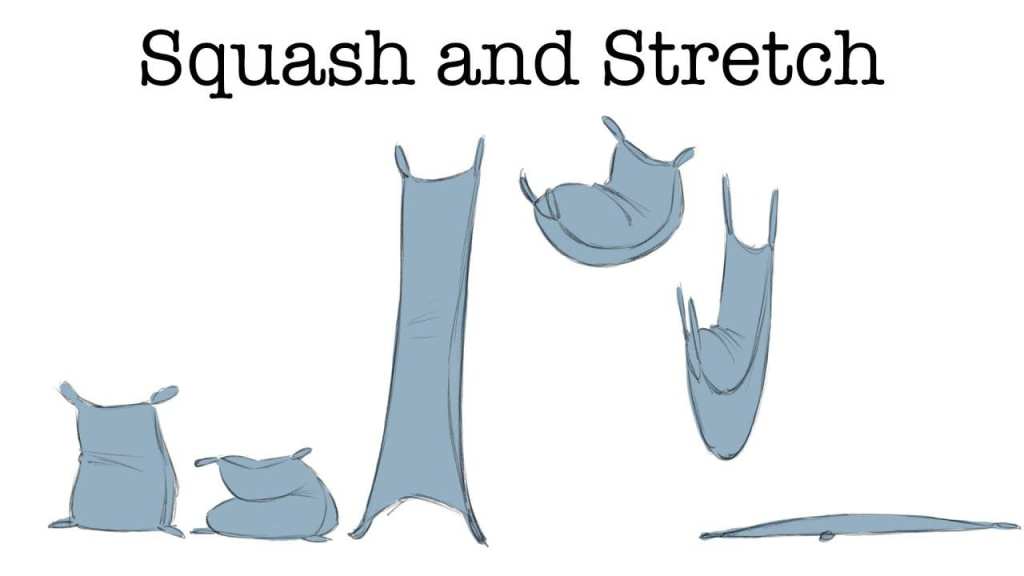
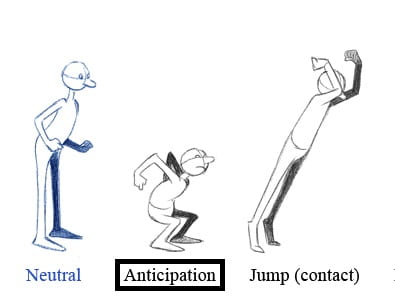
- Anticipation – It refers to preparation before an action occur.
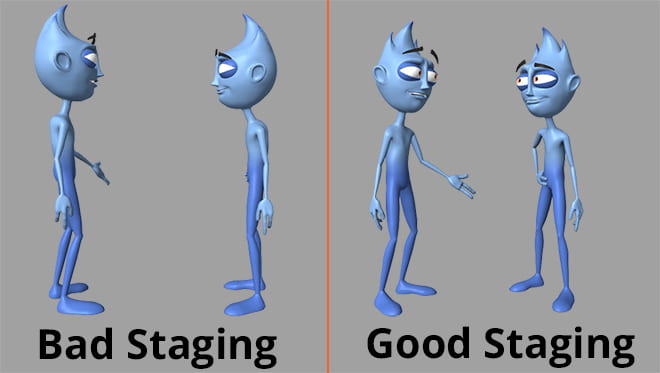
- Staging – It is a method of organizing visual elements(expressions) in the scene to make sure viewer understands what’s happening.
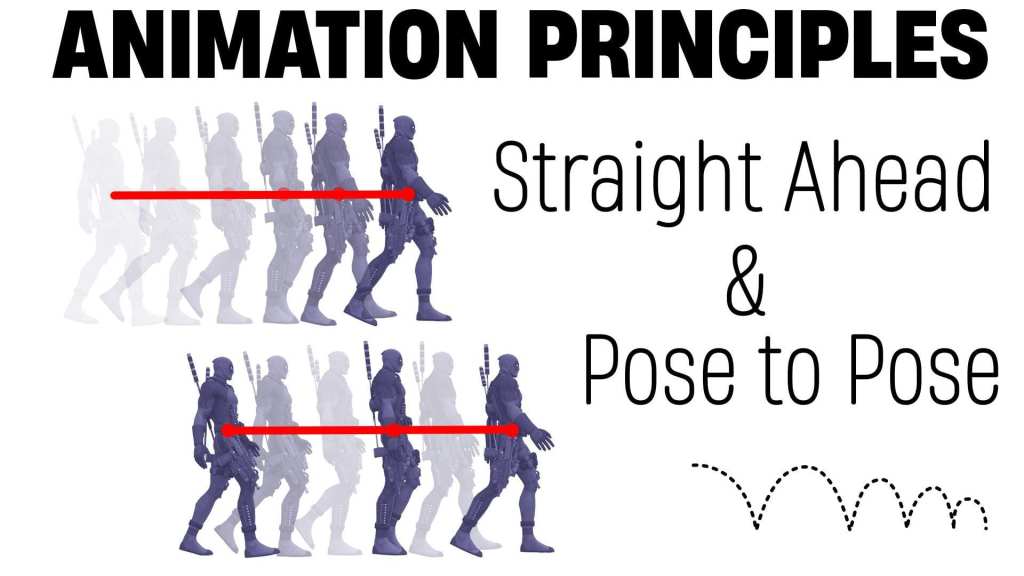
- Straight Ahead & Pose to Pose –
-
Straight Ahead Animation: This technique involves animating actions from the first key pose to the last in a linear sequence, allowing for spontaneity and fluidity in movement.
- Pose to Pose Animation: This method involves planning key poses at significant moments in the animation sequence, which act as guideposts for the entire process.
-
-
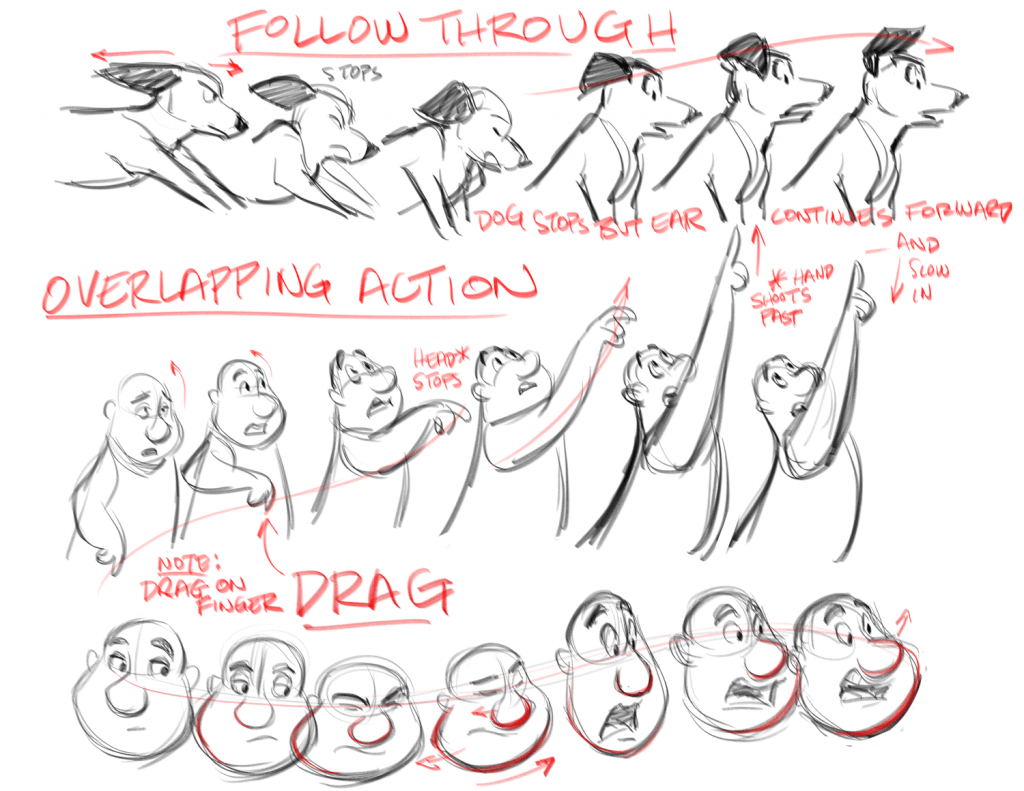
Follow through and Overlapping action –
-
Follow Through – it refers to the idea that parts of a character or objects continue to move after the main action has stopped, creating a sense of weight and inertia.
-
Overlapping action – describes how different parts of a character or object move at different rates, adding fluidity and naturalness to the animation.
-
Together, these techniques help convey the physical laws of motion, making animations feel more believable and engaging.
-
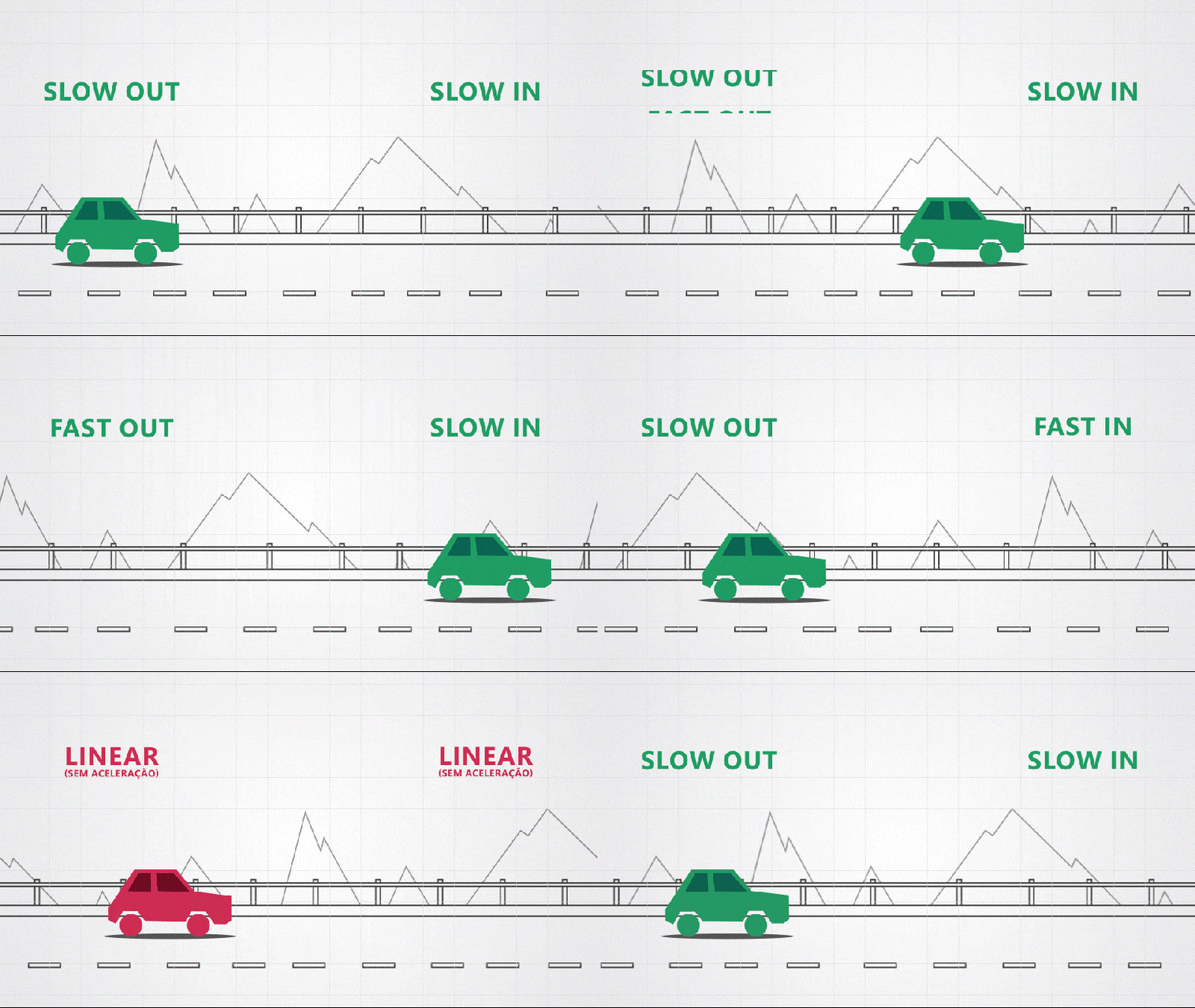
- Slow In & Slow Out -It describes how objects accelerate and decelerate during movement.
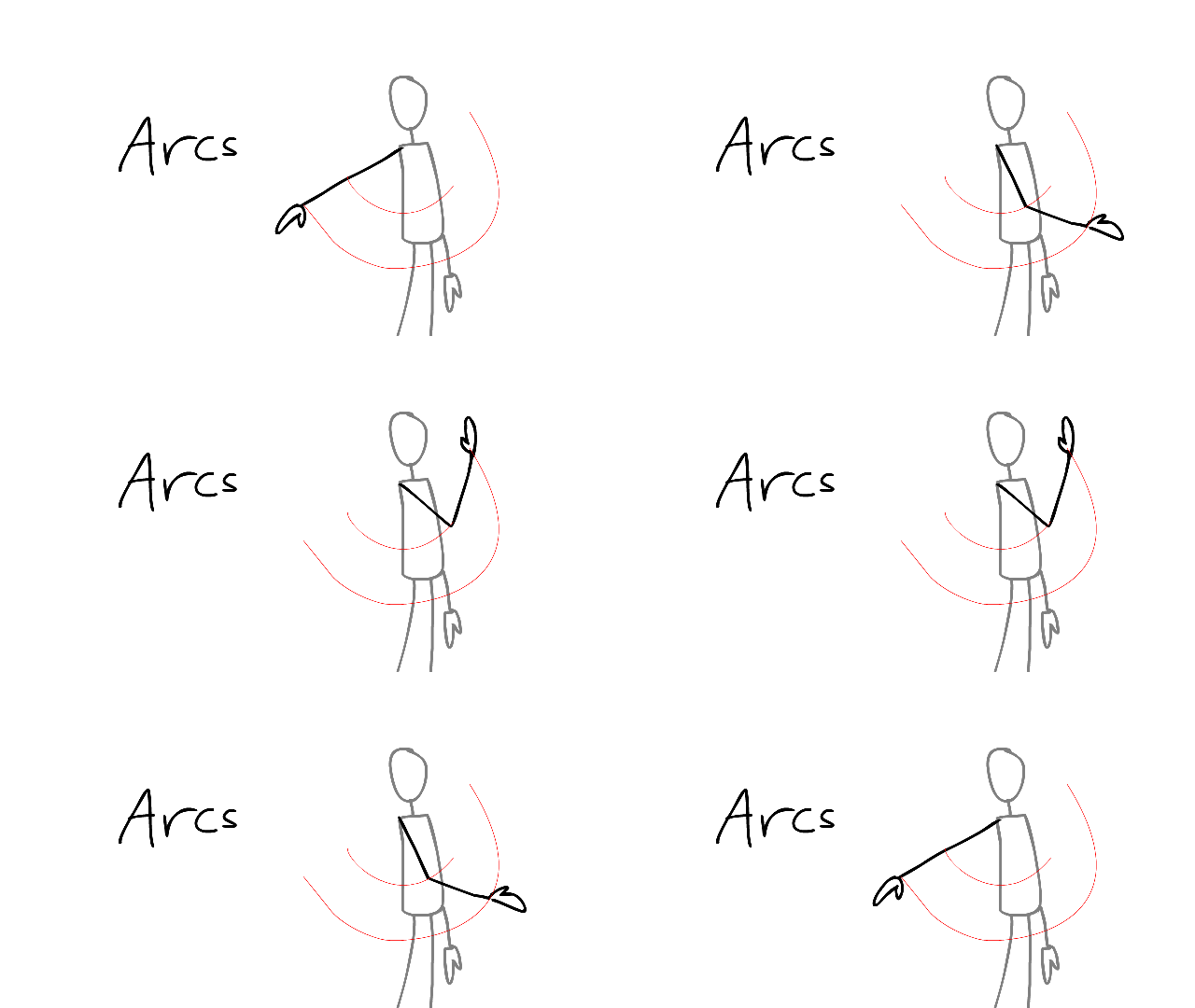
- Arcs -It refers to the smooth, curved paths that characters and objects follow during movement.
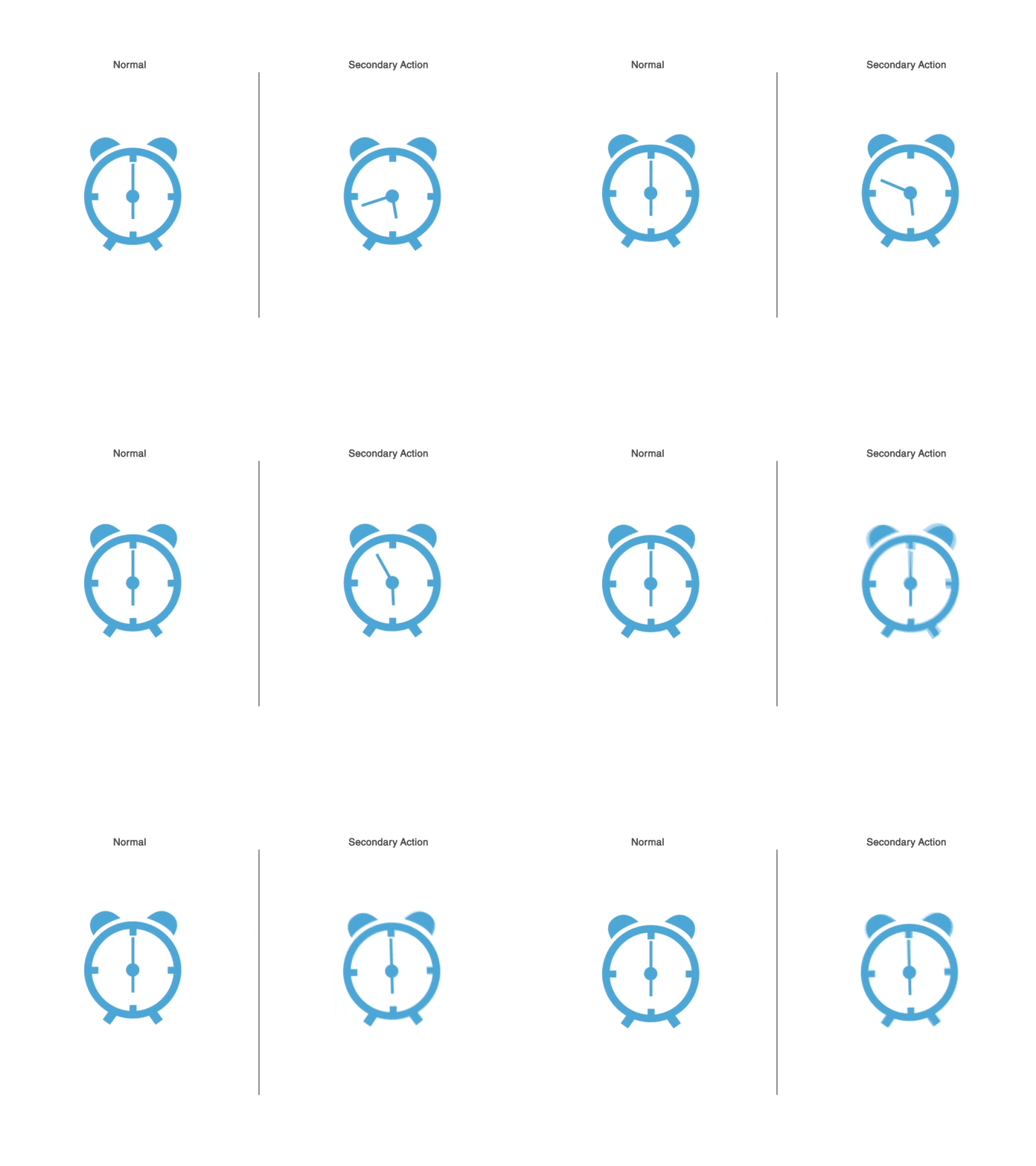
- Secondary Action – Secondary action in animation refers to the movements or gestures that support and enhance the primary action in a scene.
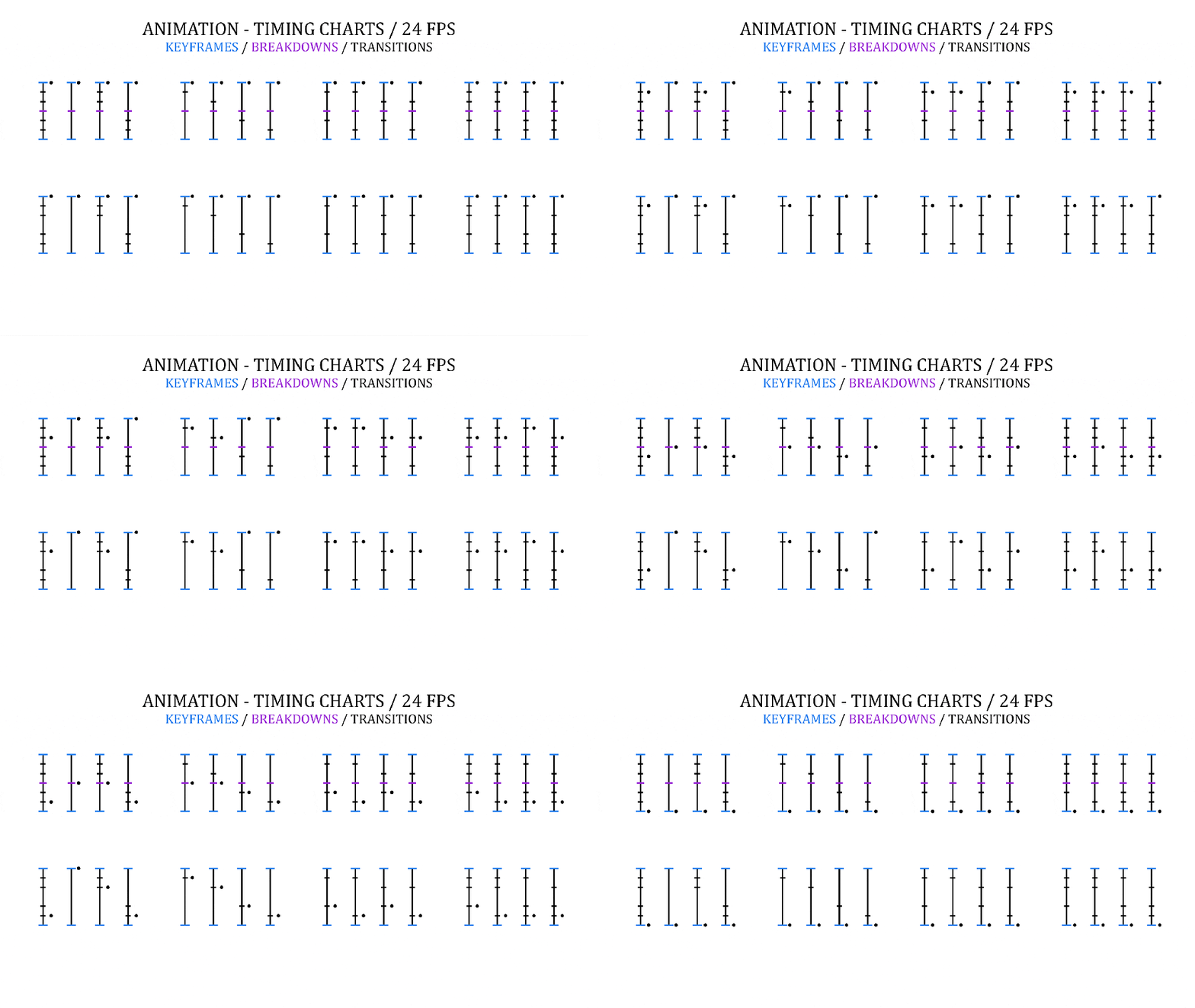
- Timing – It refers to the duration and rhythm of actions in animation.
- Exaggeration – refers to a technique used to amplify and emphasize certain characteristics or actions of animated characters or objects.

- Solid Drawing – Solid drawing is a term used in the field of animation to describe the technique of creating characters and objects with a sense of volume, weight, and three-dimensionality.
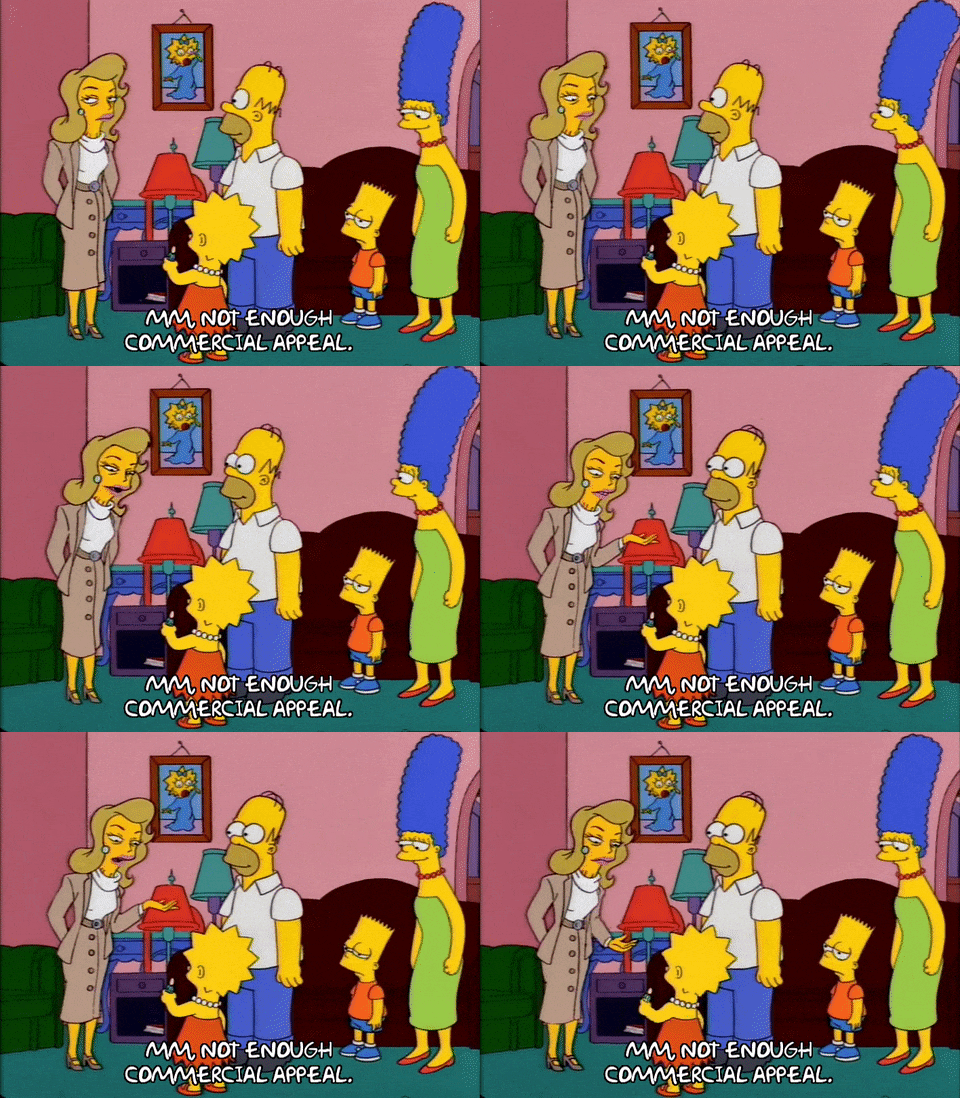
- Appeal – It refers to the quality that makes characters endearing, relatable, and memorable to the audience. Visual , Emotional, Personality appeal.
Week 10
Presentation
Assignment – 2
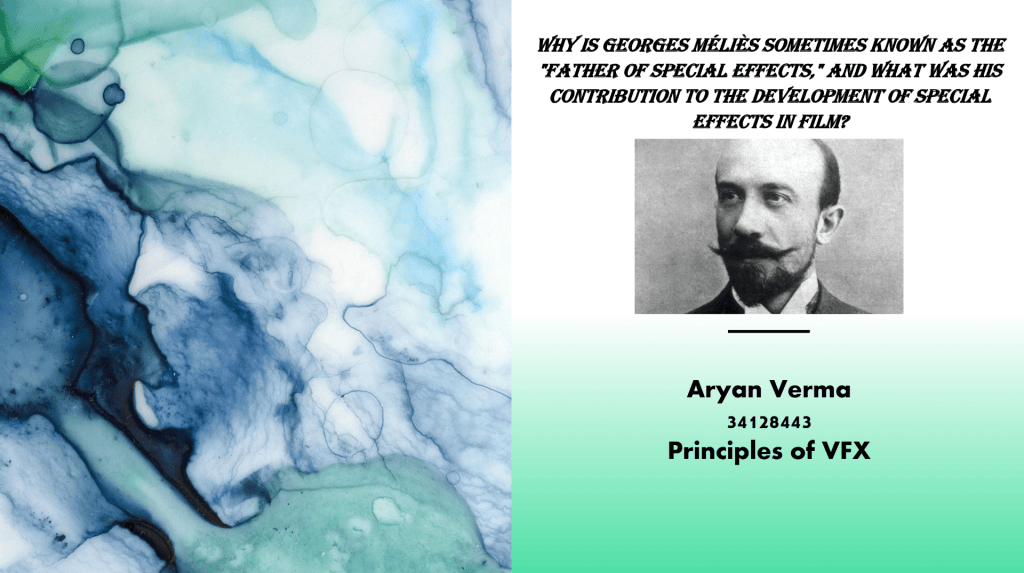
Why is Georges Méliès sometimes known as the “Father of Special Effects,” and what was his contribution to the development of special effects in film?
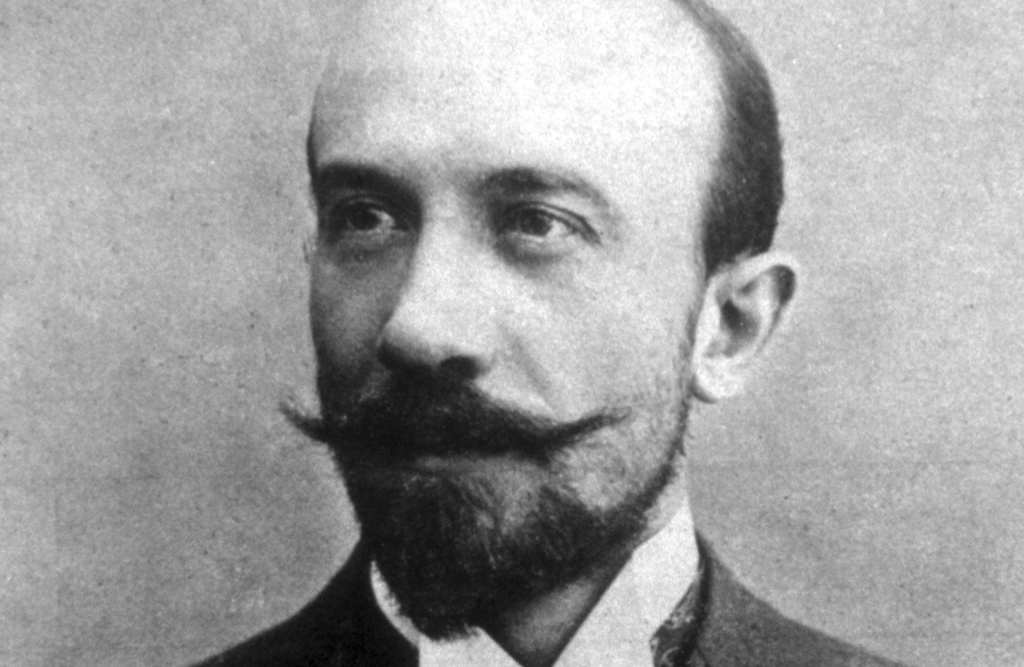
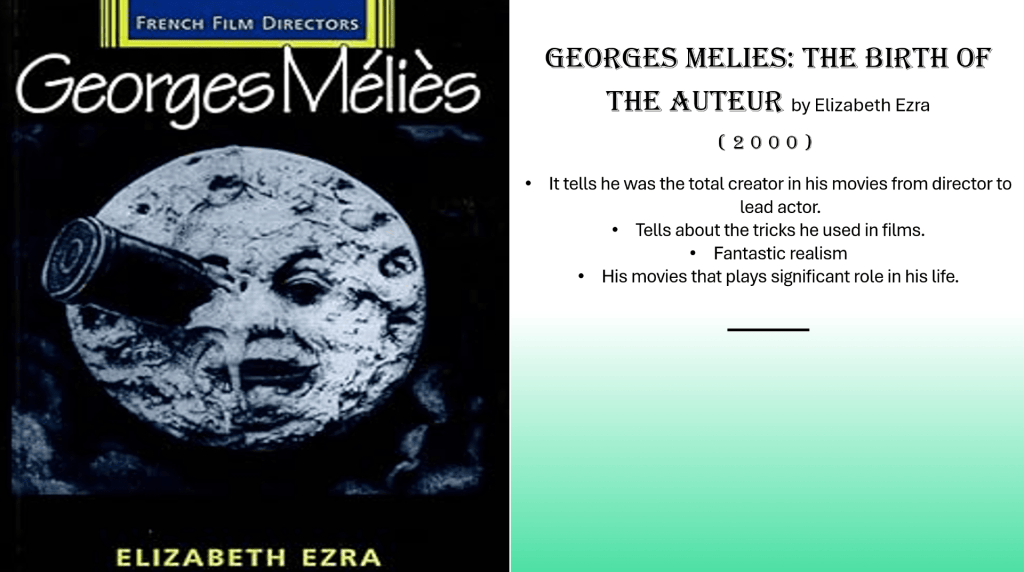
This essay will begin with talking about who was Georges Méliès, how he started to be known as Father of Special Effects and what he contributes to develop special effects in films. Georges Méliès was a professional magician and manager-director of the Théâtre Robert-Houdin. He was born on December 8, 1861, in Paris, France and died on January 21, 1938, in Paris. The first genuine movie made by the Lumière brothers, were shown in Paris in 1895, they show scenes from real life having the novelty of motion and gain world’s attention. When Melies saw the movie, he believes there are more possibilities to create something big. He repeatedly makes offers to Lumière brothers for camera, but his efforts did not meet success. He travelled to London and managed to buy a projector and started to make short films. He built a combine camera projector made from mechanical parts found in his theatre’s storeroom. In May or June of that year, Méliès made his first film in his family’s garden in Montreuil, a Suburb of Paris. He opened the world’s first permanent film studio on the family’s grounds at Montreuil, outside of Paris in the spring of 1897. In 1905, he built his second studio and name it Studio B. In 1897, he started his own production company named, Star Film. He send his brother to America for US copyright, and to sell prints directly to American market to get rid of piracy.
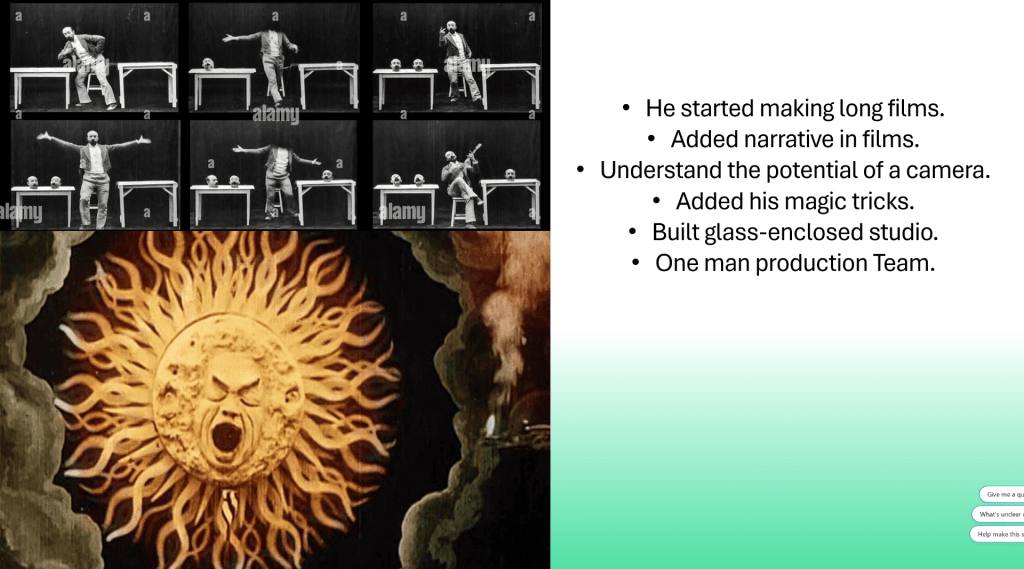
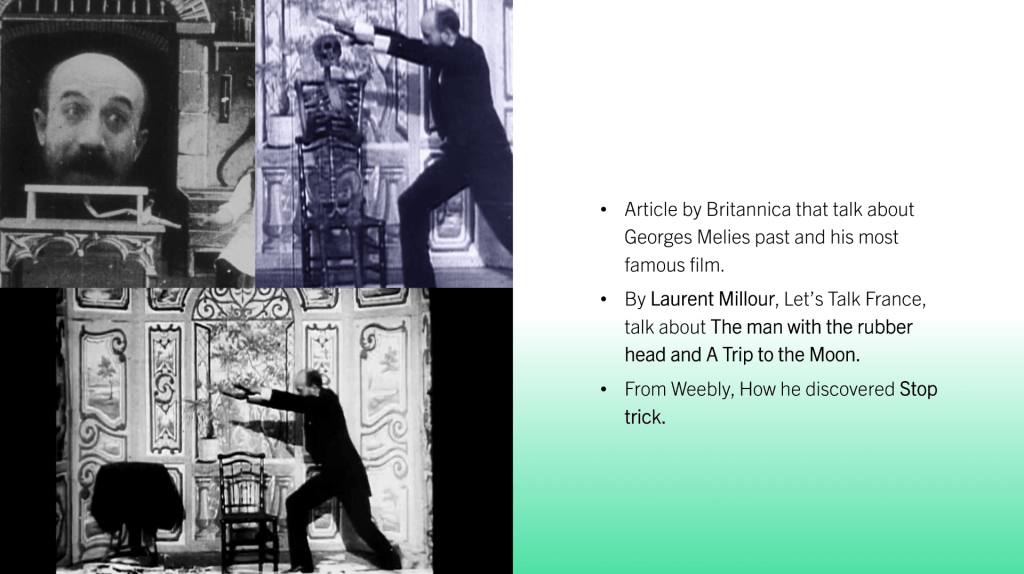
He creates Fantastic Realism by dissolving boundaries between reality and fiction by blending spectacular tricks with documentary style subjects. To control on nature light and shadows, he installed large blinds on the ceiling, which he could manipulate from the ground via a pulley system. His first technique was substitution splicing, created the sudden appearance or disappearance of a person or object, or the sudden replacement of one thing by another. He uses this in The Vanishing Lady where Méliès places a cloth over the seated Jehanne d’Alcy; when the cloth is removed, she is gone. Then, a skeleton suddenly appears in the place of the woman. For long time this technique was known as Stop Motion. Birth of Substitution Splicing was a coincidence, the story was often repeated by Melies, of how he first came up with it. While filming in front of the Opéra in Paris, his camera jammed; after fixing the problem he resumed filming. When he viewed the footage, he had shot that transform men into women.(Elizabeth, Ezra. (2000, p. 28)) Another trick was Dissolve, super-imposition of a fade-out onto a fade-in, achieved by reversing and then re-filming using film that has already been exposed once. Méliès first used this technique, which originated in magic lantern displays, in the 1899 Cendrillon. Third, A Matte Shot is a technique taken from still photography, in which part of the camera lens is covered so as to produce a blank spot; the film is then rewound and exposed again to record the image to be superimposed, but this time with everything blocked – out except the area that had been covered before. This effect was also achieved by draping the area on which the object was to be superimposed in black cloth. Fourth, a Replication effect in films such as The Melomaniac (1903), in which he throws his head onto telegraph wires shaped like a musical staff, and repeats the process several times, and in The One-Man Band (1900), in which several Méliès, each playing a different instrument, form a band. He discovered many more other tricks.
Le Voyage dans la lune/A Trip to the Moon made in 1902, was the first film that brought international fame to Melies. Initially, due to its high production costs made exhibitors hesitant to buy it, which force Melies to offer free screenings to prove his confidence (price of a ticket was 560 FF for the black and white version, 1,000 FF for the hand- coloured version) and it paid off (Elizabeth, Ezra. (2000, p. 120)). Its widespread popularity prompted unscrupulous distributors particularly in the United States, to make unauthorized copies of it, drastically reducing the profits that reverted to Méliès’s production company. Le Voyage dans la lune was not the first science fiction movie, but also the first cinematic spoof of the genre. The opening scene of the film shows a congress of scientists costumed as wizards, featuring a grand entrance of researchers and pages who carry telescopes like rifles in a military parade. The bearded head wizard Barbenfouillis (played by Méliès) then enters, the six scientists hold up their telescopes which are transformed (through substitution splicing) into stools upon which they sit. The atmosphere shifts from ceremonial to chaotic when Barbenfouillis draws a diagram of a rocket’s trajectory on a blackboard, a proposal that ignites both uproar and intense excitement among the assembled scientists. Then the mission is heightened by the scientists’ costumes, which shift from clownish, star-decorated robes to “Dandy Esque” outfits of top hats and umbrellas. The gravity of the undertaking, making the epic trip across the galaxy appear as casual as a game of billiards. Then the scene dissolves to a workshop resembling Méliès’s own film studio, where industrious workers are seen constructing a rocket shown in profile. Then explorers enter and express their delight at the sight of the partially constructed rocket, congratulating the workers and climbing in to examine the interior, while climbing out they fall that foreshadows the misadventures to follow. Then scene dissolve to a female sailor who load the rocket into a cannon, eventually waving to the camera and breaking the cinematic “fourth wall” to acknowledge the audience directly. Then another dissolve to the rocket launch sit on wooden platform situated atop the town’s tiled rooftops, then scene dissolves to different view of the launch site, the camera had swivelled forty-five degrees. They use substitution slice to show rocket landing in right eye of the moon, sticks its tongue out from the shock. the scene show sea through a real fish tank, showing the vessel descending to the sea floor then towed across the frame to shore by a sailing ship. the fil concludes with explorers returning home to a celebration in the town square, they parade a captured moon dweller on a leash and dance around the statue of barbenfouillis.
To conclude, the tricks he found ” Dissolve, stop motion, substitution splicing Matte Shot and his Films A Trip to the Moon (1902), The Kingdom of the Fairies (1903), and The Impossible Voyage (1904)” shows why he known as father of special effects.
Bibliography –
Ezra, Elizabeth. (2000) Georges Melies: The Birth of the Auteur. Manchester University Press
Spira, Jon. 2020, Georges Méliès: on his early struggles in cinema: “The inventor’s life is not all sweetness and light!”, BFI, https://www.bfi.org.uk/features/georges-melies-autobiography (Accessed: 17 December 2025)
Britannica Editors. (2025) ‘Georges Méliès’, Britannica. Available at: Georges Melies | Biography, Films, & Facts | Britannica (Accessed: 17 December 2025).
Millour, Laurent. (2023) ‘Georges Méliès: the Father of Modern Cinema and Special Effects. Let’s Talk France. Available at: Georges Méliès: the Father of Modern Cinema and Special Effects. (Accessed: 17 December 2025 ).

